••
Why Car Payments Are Still So High in 2026: Interest Rates, Vehicle Prices and Longer Loan Terms Explained
Car payments remain high in 2026 as near-record vehicle prices combine with elevated auto-loan rates and longer financing terms. This guide breaks down current payment data, loan costs, negative equity and the trade-offs behind longer car loans.
Share Article:
Car payments remain unusually high in 2026 because several pressures are hitting buyers at the same time: vehicle prices are near record levels, borrowing costs remain well above the cheap-money era, and buyers are stretching loans over longer periods to make monthly payments more manageable.
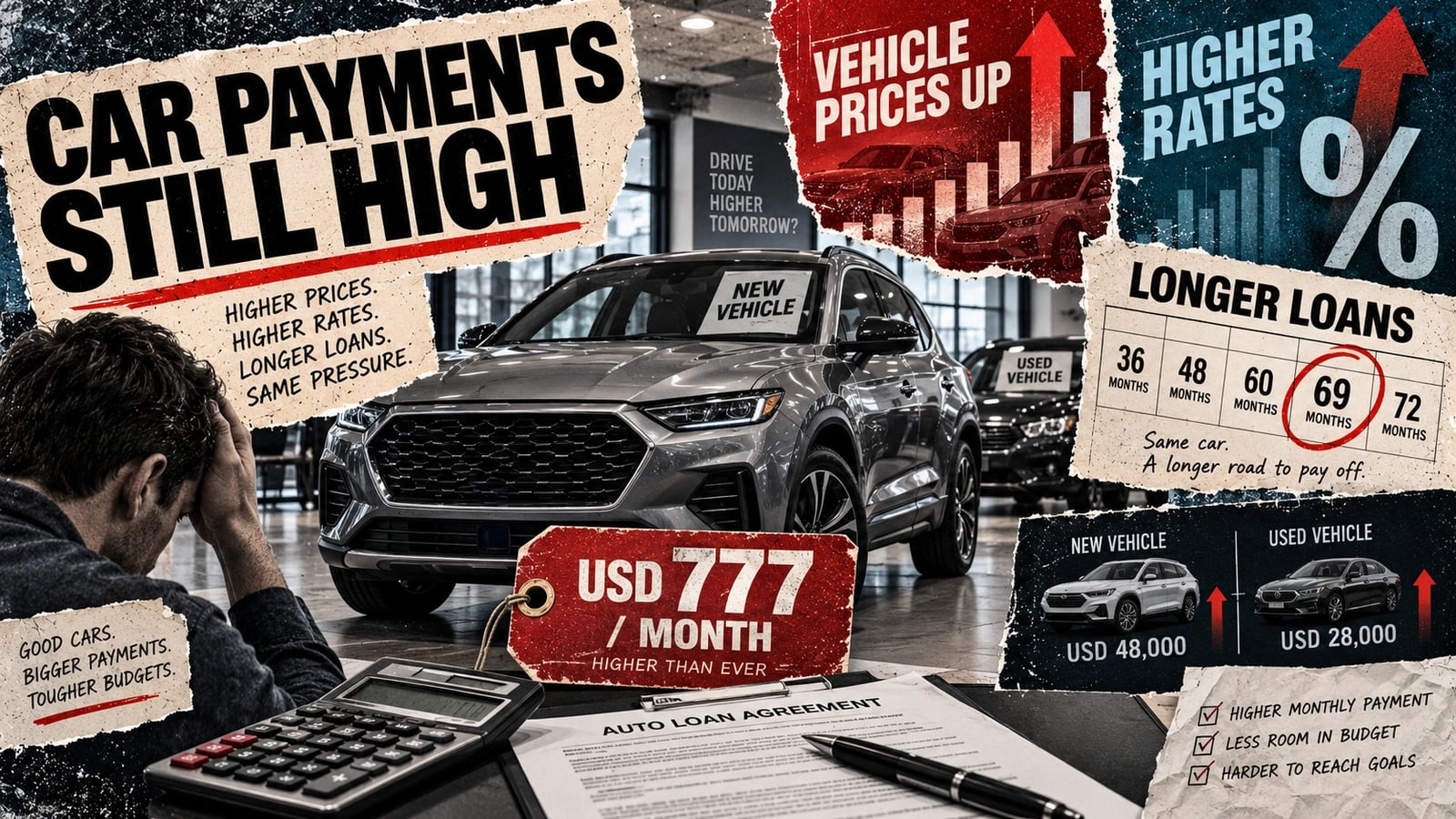
Edmunds reported that the average financed new-vehicle payment reached a record USD 777 per month in the second quarter of 2026. Experian, using a different financing dataset, reported an average new-car payment of USD 765 and an average used-car payment of USD 542 for the same quarter.
The difference between those sources reflects different samples and methodologies, but both tell the same story: financing a vehicle remains expensive.
What Buyers Are Actually Paying
The averages become more revealing when the financing details are included.
Edmunds reported that 20.3% of financed new-vehicle buyers accepted payments of at least USD 1,000 per month in Q2 2026. The average amount financed reached a record USD 44,156, while the average down payment fell to USD 5,815, about 10% lower than a year earlier.
Experian's Q2 2026 data showed:
| Metric | New Vehicle | Used Vehicle |
|---|---|---|
| Average monthly payment | USD 765 | USD 542 |
| Average loan amount | USD 43,610 | USD 27,852 |
| Average interest rate | 6.35% | 11.19% |
| Average loan term | 69.5 months | 67.9 months |
| Average credit score | 751 | 688 |
These are averages, not the terms every borrower receives.
Credit score makes a major difference. Experian's Q2 data showed average new-car APRs of around 4.41% for super-prime borrowers and 16.11% for deep-subprime borrowers.
The difference is even wider in the used market, where average APRs ranged from roughly 6.29% for super-prime borrowers to 21.62% for deep-subprime borrowers.
That means two people buying similarly priced vehicles can face dramatically different monthly payments and total financing costs.
Vehicle Prices Remain Near Record Levels
High financing costs start with high vehicle prices.
Kelley Blue Book reported that the average U.S. new-vehicle transaction price reached USD 50,089 in August 2026, the first month of the year in which the industry average moved above USD 50,000.
That does not mean every new car costs USD 50,000. Entry-level cars and smaller crossovers remain available well below the industry average.
But the sales mix has shifted toward SUVs, trucks and higher-trim vehicles, pushing the average price paid across the market higher.
Earlier in the year, Kelley Blue Book reported an average transaction price of USD 49,461 in April 2026, up 1.8% from a year earlier.
Midsize SUVs were the highest-volume segment that month, while full-size pickup trucks remained among the most expensive mainstream vehicle categories.
Why Prices Have Stayed High
Several forces continue to support higher vehicle prices.
Vehicle mix matters. SUVs and trucks account for a large share of U.S. sales, and many of those vehicles carry substantially higher prices than compact cars.
Discounting has not returned to every part of the market. Incentive spending was around 6.9% of average transaction price in April 2026, down from March. Discounts vary significantly by brand and vehicle type.
Tariffs and input costs also matter. Imported vehicles, parts, labor, materials, logistics and regulatory requirements all affect manufacturers' cost structures.
Cox Automotive described some of the 2026 price movement as mix-driven, meaning buyers were purchasing more expensive combinations of vehicles and trims rather than every individual model suddenly becoming dramatically more expensive.
Auto Loan Rates Are Still High
Interest rates are the second major part of the affordability problem.
Experian's Q2 2026 data showed average APRs of:
- 6.35% for new vehicles
- 11.19% for used vehicles
Those rates are below some of the peaks seen earlier in the post-pandemic period, but they remain far above the ultra-low financing environment many buyers became accustomed to several years ago.
The gap between new and used financing is also not fixed.
It varies by credit tier, lender, loan term, vehicle age and other risk factors. Deep-subprime used-car borrowers, for example, can face APRs above 20%, while super-prime borrowers may qualify for rates several times lower.
How the Fed Affects Car Loans
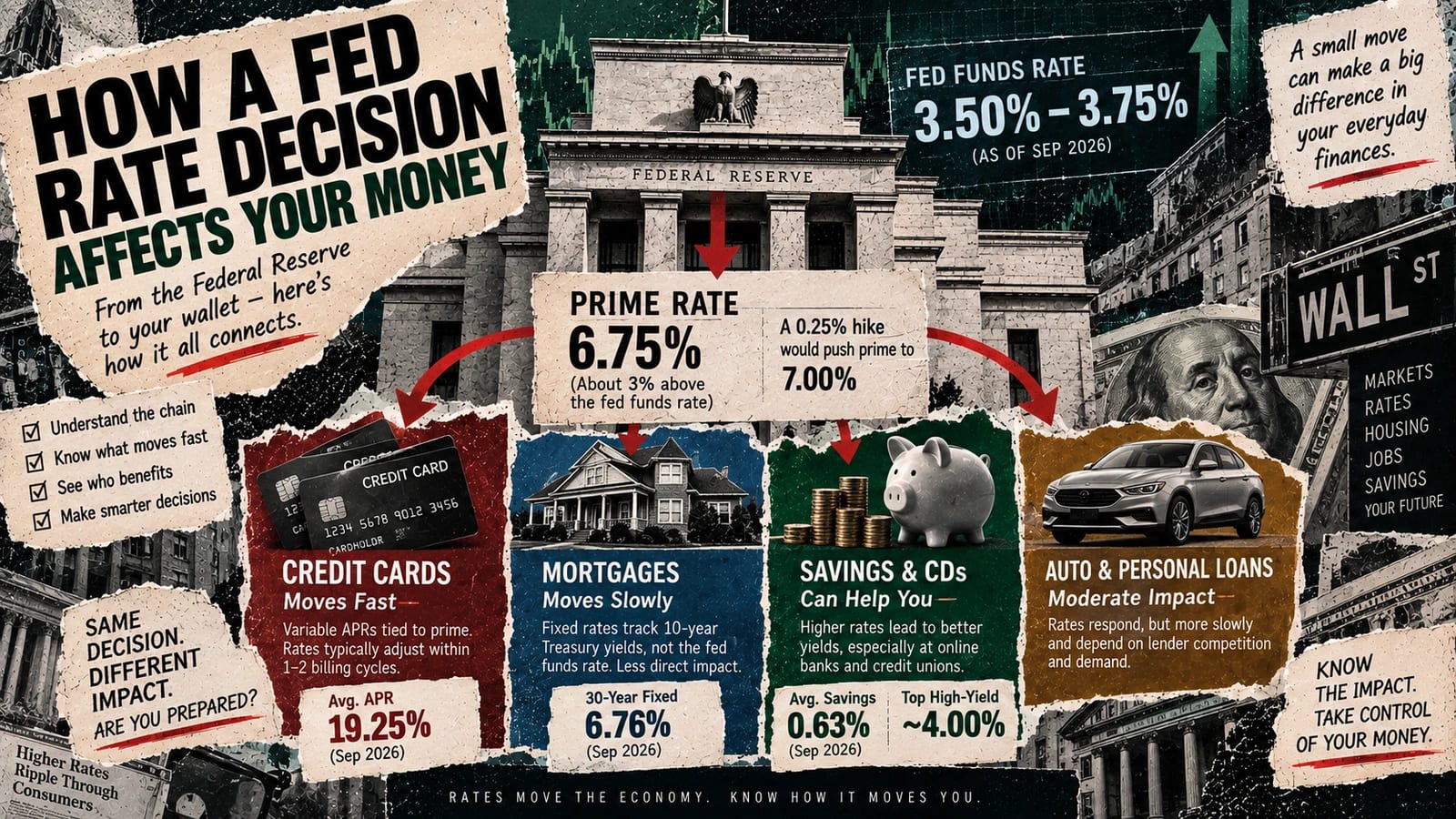
The Federal Reserve does not directly set auto-loan rates.
Its policy decisions still matter.
On September 16, 2026, the Fed raised the federal funds target range to 3.75%–4.00%.
The bank prime loan rate subsequently increased from 6.75% to 7.00% on September 17.
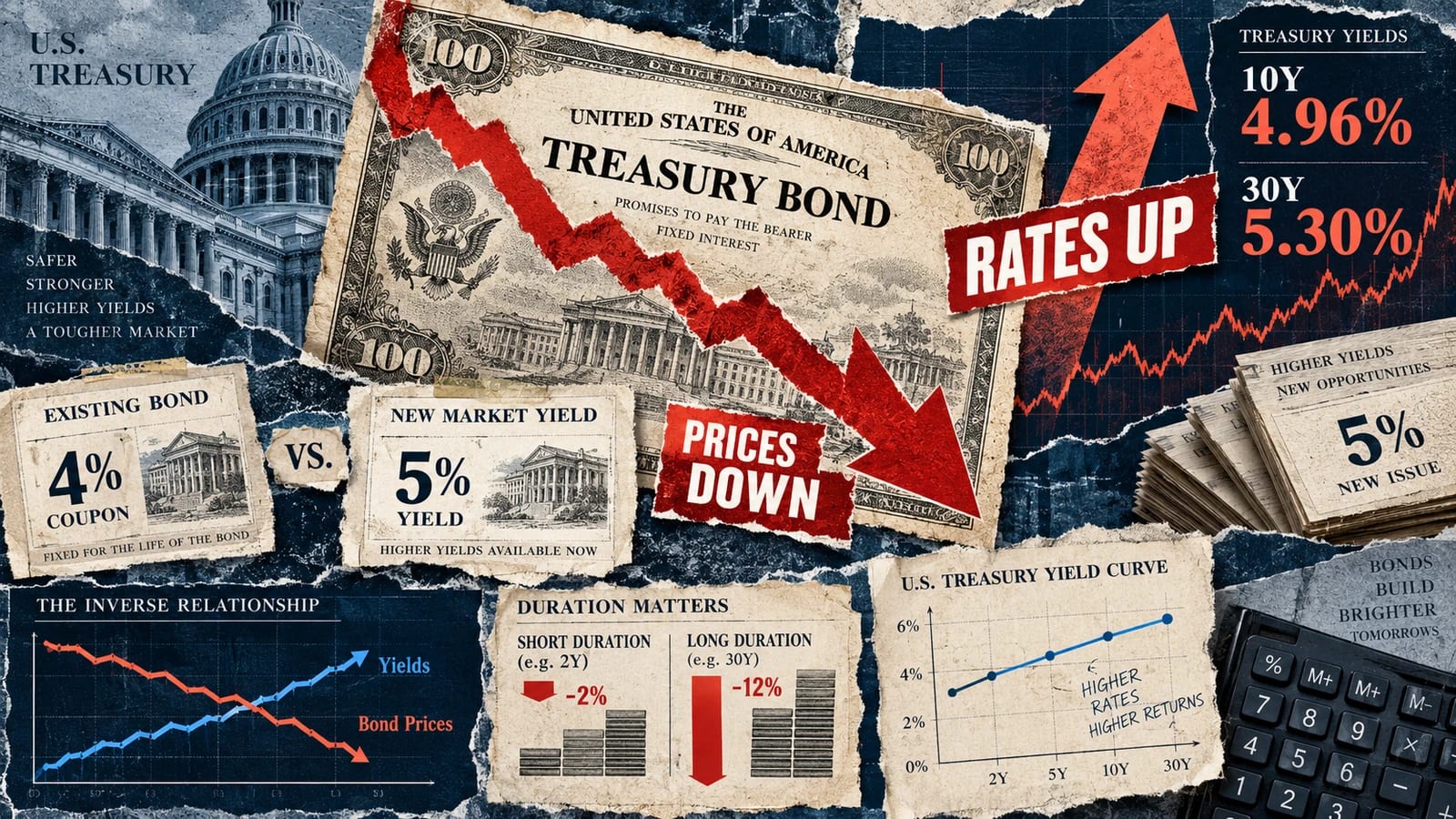
Prime rates and other short-term benchmarks influence lenders' funding costs, but most auto loans are fixed-rate loans.
Their pricing also depends on:
- Treasury and bond-market yields
- lender funding costs
- borrower credit quality
- vehicle age and value
- loan term
- competition between lenders
- manufacturer financing incentives
That means a 25-basis-point Fed move does not automatically produce an identical change in every auto-loan APR.
What a Two-Point APR Difference Costs
The impact becomes clearer with a simple example.
Consider a USD 40,000 loan over 60 months.
At a 5% APR, the monthly payment is about USD 755, and total interest is roughly USD 5,291.
At a 7% APR, the monthly payment rises to about USD 792, and total interest reaches approximately USD 7,523.
That two-percentage-point difference adds about USD 2,232 in total interest over five years.
On a USD 50,000 loan over 72 months, the difference is larger.
At 5%, total interest is roughly USD 7,978.
At 7%, total interest rises to approximately USD 11,376.
That is a difference of about USD 3,399.
Small APR differences can therefore become meaningful when applied to large vehicle loans over long periods.
Longer Loan Terms Reduce Payments — but Increase Total Cost
Loan terms have also stretched.
Experian reported an average new-vehicle loan term of about 69.5 months in Q2 2026, while used-car loans averaged approximately 67.9 months.
Edmunds also reported that nearly one in four financed new-vehicle buyers selected terms of 84 months or longer during Q2.
Longer terms reduce the monthly payment because the borrower spreads the balance across more payments.
The trade-off is higher total interest and a longer period before the borrower owns the vehicle free and clear.
A 60-Month Loan vs. an 84-Month Loan
Consider a USD 40,000 loan at 7%.
Over 60 months, the payment is about USD 792 per month and total interest is roughly USD 7,523.
Stretch the same loan to 84 months, and the payment falls to about USD 604 per month.
That is a reduction of roughly USD 188 per month.
But total interest rises to approximately USD 10,711.
The borrower saves money each month but pays roughly USD 3,189 more in interest over the life of the loan.
Neither term is automatically right or wrong. The point is that lowering the payment by extending the term has a measurable cost.
The Negative Equity Problem
Longer loans can also increase the risk of negative equity.
Negative equity means the borrower owes more on the loan than the vehicle is worth.
Cars generally depreciate fastest early in their lives. When a buyer combines a small down payment with a long loan term, the loan balance may decline more slowly than the vehicle's market value.
That can become a problem if the owner needs to sell or trade the vehicle before paying down enough of the balance.
It can also matter when a financed vehicle is stolen or declared a total loss.
Guaranteed Asset Protection, or GAP coverage, is designed to cover some or all of the difference between an insurer's vehicle-value settlement and the outstanding loan balance, subject to the specific contract's terms, limits and exclusions.
It should not be assumed that every GAP product automatically pays every remaining dollar.
Edmunds' Q2 2026 data also showed the average down payment falling to USD 5,815, about 10% lower than a year earlier. Smaller down payments can increase the time required for the loan balance to fall below the vehicle's value.
The 20/4/10 Rule in Today's Market
One traditional vehicle-affordability guideline is the 20/4/10 rule:
- Put about 20% down.
- Finance for no more than four years.
- Keep total transportation costs near 10% of gross monthly income.
It is a guideline rather than a universal financial rule, and current vehicle prices make it difficult for many households to follow.
Consider someone earning USD 75,000 per year.
That equals USD 6,250 in gross monthly income.
Ten percent is USD 625 per month for the total cost of transportation.
That amount has to cover more than the car loan. Insurance, fuel, maintenance, registration and other expenses also matter.
Suppose roughly USD 400 of the monthly budget were available for the loan itself.
At a 7% APR over the four-year term used by the 20/4/10 guideline, a USD 400 monthly payment supports a loan of roughly USD 16,700.
That is far below the average price of a new vehicle in 2026.
The example helps explain why many households are using longer terms: the traditional affordability math no longer fits comfortably with current average new-car prices.
What Matters Before Financing a Vehicle
The monthly payment is useful, but it can hide a great deal about the real cost of a loan.
APR is one of the first numbers worth comparing because even a modest rate difference can add thousands of dollars to a large balance. LendingTree found that borrowers in its July 2025 platform sample who received multiple auto-loan offers could save an average of about USD 2,346 compared with taking the highest offer. That figure applies to LendingTree's sample and should not be treated as a guaranteed saving for every borrower.
Total interest matters just as much as the payment. A loan that looks affordable each month may simply be spreading a larger financing cost across more years.
The amount financed is another number that deserves attention. Dealer add-ons, service contracts, warranties and other products can push the loan balance above the vehicle's advertised price.
Ownership costs also sit outside the loan. Insurance, fuel, maintenance, tires, registration and taxes can materially increase the real monthly cost of keeping a vehicle.
Finally, the expected ownership period changes the risk. A long loan may create more problems for someone who regularly trades vehicles than for someone who plans to keep the same car well beyond the end of the financing term.
Why Car Payments May Stay Elevated
Car affordability depends on more than Federal Reserve policy.
Lower interest rates could reduce financing costs, but payments could remain high if vehicle prices continue rising.
Similarly, lower vehicle prices may not fully solve the problem for borrowers facing double-digit APRs.
The affordability picture therefore depends on the interaction between vehicle prices, credit conditions, borrower credit scores, lender competition, manufacturer incentives, interest rates and loan terms.
That is why car payments can remain high even when one part of the equation begins improving.
Disclaimer: This article is for informational and educational purposes only and is not personalized financial, investment, tax or legal advice. Loan offers, rates and affordability depend on individual financial circumstances and lender requirements.
Frequently Asked Questions
Why are car payments so high in 2026?
There is no single cause. Near-record vehicle prices are combining with elevated borrowing costs and longer financing terms.
Longer terms can make the monthly payment look more manageable, but they do not make the vehicle cheaper. In many cases, they increase the total amount of interest paid.
What is the average car payment in 2026?
Experian reported average Q2 2026 payments of USD 765 for new vehicles and USD 542 for used vehicles.
Edmunds reported a higher USD 777 average for financed new vehicles in the same quarter. The difference reflects the companies' separate datasets and methodologies.
Will auto loan rates fall?
That depends on more than the next Federal Reserve decision.
Auto-loan pricing is influenced by Fed policy, Treasury and bond yields, lender funding costs, competition, manufacturer incentives and the borrower's credit profile.
The September 2026 Fed increase lifted short-term borrowing benchmarks, but future auto-loan rates will depend on how those broader factors develop.
Is a 72-month car loan always a bad choice?
The trade-off is more important than the term by itself.
A longer loan reduces the monthly payment, but it usually increases total interest and can extend the period of negative equity.
Whether it fits a particular situation depends on the APR, vehicle price, down payment, expected ownership period and the borrower's wider financial circumstances.
How much should a buyer put down?
There is no universal down-payment percentage.
The traditional 20/4/10 framework uses 20%, but real-world down payments vary widely. A larger down payment generally reduces the amount financed, lowers the monthly payment and can reduce the risk of owing more than the vehicle is worth.
Why are used-car loan rates often higher?
Lenders generally face a different risk profile with used vehicles, including uncertainty around age, condition and resale value.
Borrower characteristics also matter. Experian's Q2 2026 data showed an average used-car APR of 11.19%, compared with 6.35% for new vehicles, with much larger differences appearing across individual credit tiers.
From the Desk
All Personal Finance →More in Personal Finance
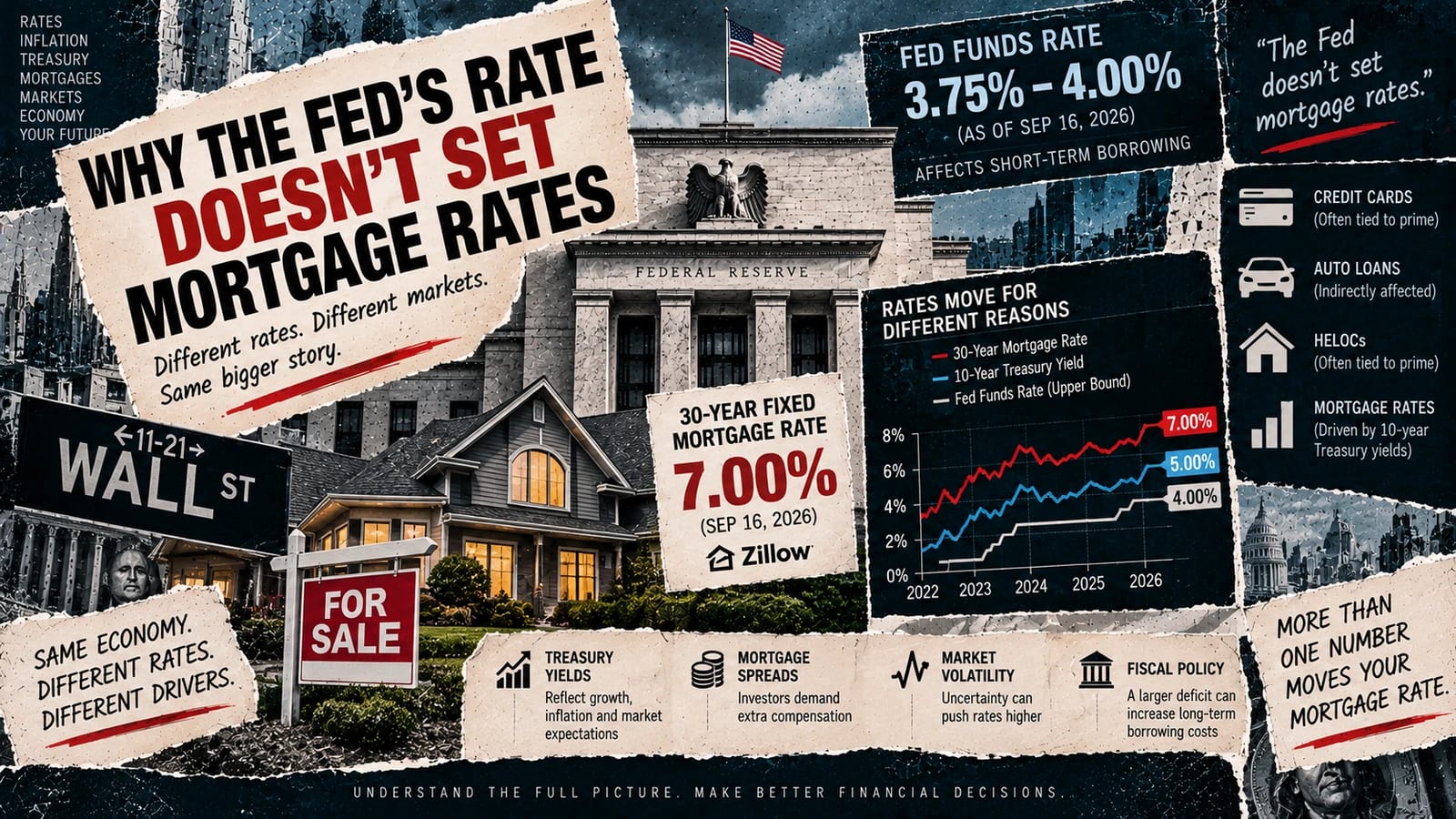
Fed Rate vs Mortgage Rate: Why Mortgage Rates Don't Move Exactly With the Fed
The Fed raised rates on September 16, 2026, but mortgage rates had already priced in the move. Here's why mortgage rates track the 10-year Treasury yield and MBS spreads, not the fed funds rate.
Fresh Reporting
Browse All Stories →Latest from The Ledger
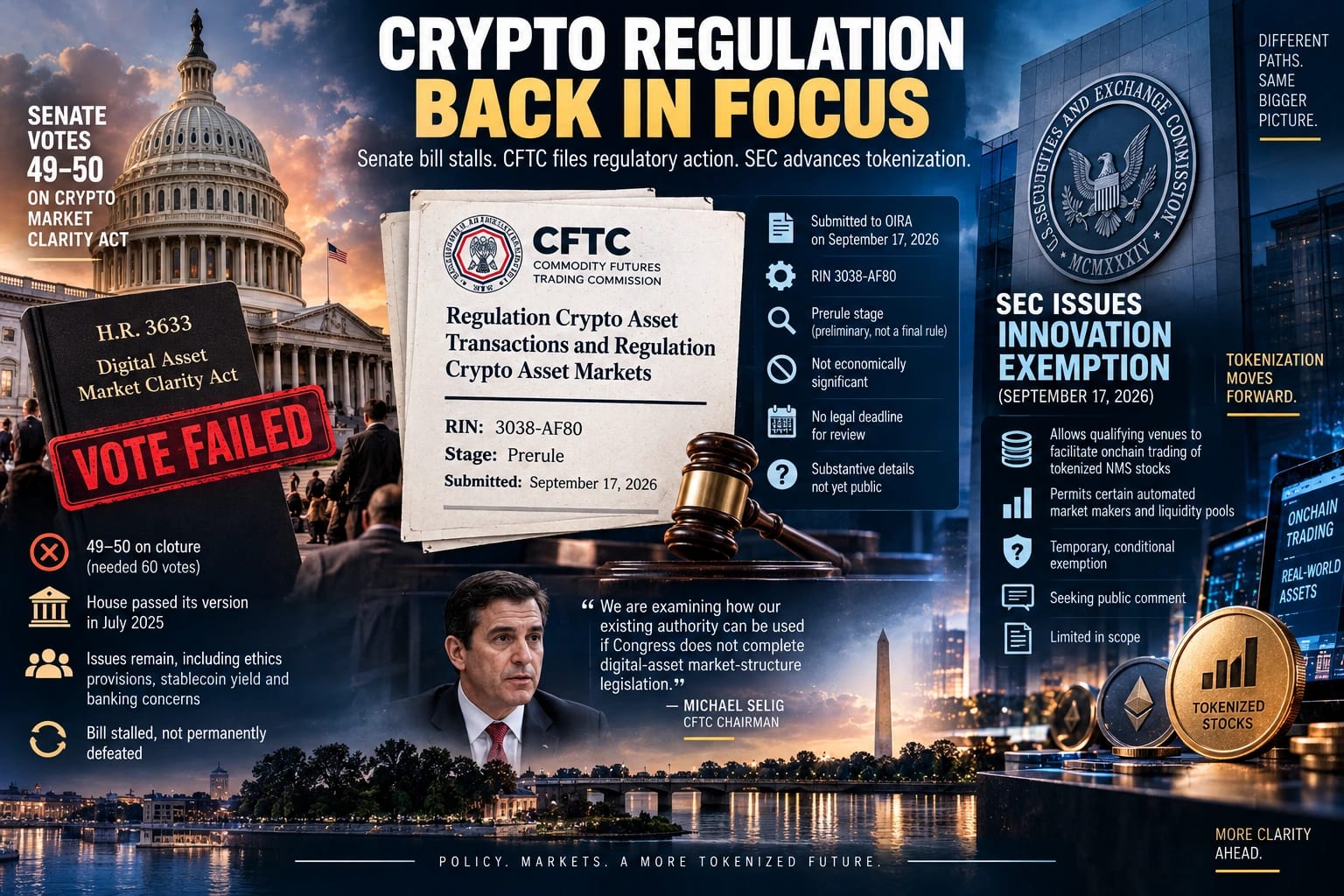
CFTC Sends Crypto Rules to White House for Review as Congress Stalls on CLARITY Act
The CFTC sent a crypto-market regulatory action to White House review on September 17 after the Senate failed to advance the CLARITY Act. The filing remains at the prerule stage, while the SEC and CFTC continue pursuing separate crypto initiatives under existing authority.


Leave a Comment
Your email address will not be published. Required fields are marked *