Avocado Benefits: What You Need to Know About Nutrition and Health
Avocado is rich in unsaturated fats, fiber, potassium and other nutrients. Learn the evidence behind avocado benefits, possible health advantages and easy ways to include it in a balanced diet.
Wellness in 2026 is moving beyond quick fixes. Better sleep, strength training, wearable technology, functional fitness and practical everyday habits are shaping how people approach health and wellbeing.
Avocado Benefits: Nutrition, Health Benefits and Easy Ways to Eat It
Avocados have become a popular addition to modern diets, from breakfast toast and salads to smoothies and homemade guacamole. Their creamy texture makes them easy to use in many meals, while their nutritional profile provides healthy unsaturated fats, fiber, potassium and several vitamins and minerals.
But what are the real avocado benefits? Does eating avocado every day actually support heart health, weight management or overall nutrition?
The answer is more nuanced than many social-media health claims suggest. Avocado can be a nutritious part of a balanced diet, but it is not a miracle food. Research suggests potential benefits for cardiovascular risk factors, particularly blood cholesterol, while the overall quality of evidence varies by outcome.
Key Takeaways
Avocado provides mostly unsaturated fat along with dietary fiber and important micronutrients.
Its fat content can make meals more satisfying, but avocado is also relatively calorie-dense.
Research suggests avocado intake may help improve some cholesterol measures, particularly LDL cholesterol in certain groups.
Avocado can contribute potassium and folate to the diet.
Eating avocado does not automatically cause weight gain or weight loss; total calorie intake and the overall diet still matter.
The easiest way to benefit from avocado is to use it as part of a balanced meal rather than treating it as a standalone health treatment.
What Is an Avocado?
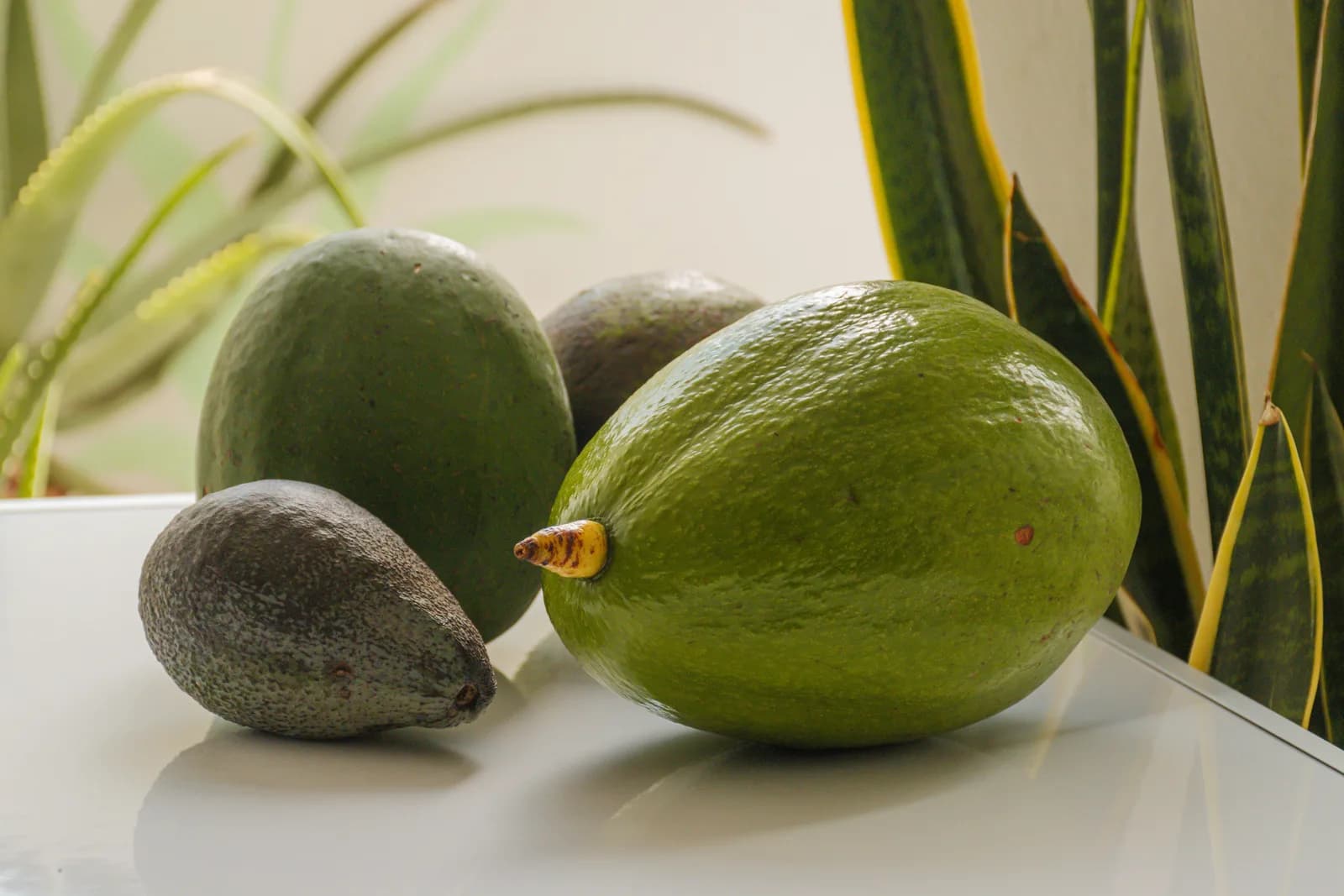
Avocado is the fruit of the avocado tree, scientifically known as Persea americana. Unlike many fruits that are primarily sources of carbohydrates, avocado contains a substantial amount of fat, most of it unsaturated.
That unusual nutritional profile is one reason avocado has attracted so much attention in nutrition research.
The fruit is also a source of dietary fiber, potassium, folate and other nutrients. The U.S. Department of Agriculture includes avocado among foods in the vegetable group in its MyPlate guidance, illustrating how the fruit is commonly incorporated into meals as a nutrient-rich plant food.
Avocado Nutrition
The exact nutritional content varies depending on avocado size and variety, but avocado is generally nutrient-dense.
Important Nutrients in Avocado
Avocado provides:
Monounsaturated fats
Dietary fiber
Potassium
Folate
Vitamin E
Vitamin K
Vitamin C
Several B vitamins and other plant compounds
Its fat profile is particularly notable because monounsaturated fats are generally considered a heart-friendly type of dietary fat when they replace saturated fats in the overall diet.
Avocado is also more calorie-dense than many fruits and vegetables because fat contains more calories per gram than carbohydrates or protein.
That does not make it unhealthy. It simply means portion size matters.
1. Avocado May Support Heart Health
One of the most frequently discussed avocado benefits is its potential relationship with cardiovascular health.
Avocados contain monounsaturated fats, fiber and various plant compounds that may contribute to a heart-healthy eating pattern.
Research examining avocado consumption and cardiovascular risk factors has produced encouraging but not completely consistent results.
A 2024 systematic review and meta-analysis of randomized controlled trials and a prospective study found a small overall reduction in total cholesterol. Among participants with high cholesterol, avocado consumption was associated with reductions in LDL cholesterol and total cholesterol. However, the researchers rated the certainty of some findings as low to very low and noted that larger, better-designed studies are still needed.
A separate 2025 systematic review and meta-analysis also reported a statistically significant reduction in LDL cholesterol among adults consuming avocado products, although it found no significant overall changes in several other markers such as triglycerides and HDL cholesterol.
That means avocado can reasonably be included in a heart-conscious diet, but it should not be described as a treatment for high cholesterol or heart disease.
2. It Provides Healthy Unsaturated Fats
Avocado is unusual among fruits because a significant portion of its calories comes from fat.
Most of that fat is unsaturated rather than saturated.
Unsaturated fats are commonly emphasized in heart-healthy dietary patterns, especially when they replace foods high in saturated fat.
For example, using avocado in place of butter, mayonnaise or other higher-saturated-fat spreads may be a practical way to change the fat composition of a meal.
This substitution principle is important.
Adding large quantities of avocado to an already high-calorie diet is different from replacing less favorable fats with avocado.
Research on avocado and blood lipids has also suggested that replacing other dietary fats may be more meaningful than simply adding avocado on top of an existing diet.
3. Avocado Is a Good Source of Dietary Fiber
Another important avocado benefit is its fiber content.
Dietary fiber supports normal digestive health and can help contribute to feelings of fullness after meals. Fiber is also part of dietary patterns associated with better cardiovascular health.
The U.S. Department of Agriculture notes that vegetables are important sources of dietary fiber, and that fiber as part of a healthy eating pattern can help reduce blood cholesterol and may lower heart-disease risk.
Because avocado provides both fat and fiber, it can make meals more satisfying.
However, eating avocado does not eliminate the need for other fiber-rich foods such as beans, whole grains, vegetables, fruit and nuts.
4. It Provides Potassium
Potassium is an essential mineral involved in nerve transmission, muscle contraction and normal heart and kidney function.
The National Institutes of Health lists an adequate intake of 3,400 mg of potassium per day for adult men and 2,600 mg for adult women. Requirements differ by age and life stage.
Avocado can contribute potassium to daily intake alongside other potassium-rich foods such as potatoes, beans, lentils, spinach and dairy products.
Potassium is particularly useful as part of a balanced dietary pattern that includes plenty of fruits and vegetables.
However, people with kidney disease or people taking certain medications may need to limit potassium intake. In those cases, dietary changes should be discussed with a healthcare professional.
5. Avocado Provides Folate and Other Micronutrients
Avocado also contributes folate, vitamin K, vitamin E and other micronutrients.
These nutrients support normal functions throughout the body, including cell metabolism and tissue maintenance.
The overall benefit comes from eating a variety of nutrient-rich foods rather than relying on a single ingredient.
That makes avocado a useful addition to a diverse diet, especially when it helps replace highly processed or less nutrient-dense foods.
6. Can Avocado Help With Weight Management?
This is one of the most misunderstood avocado benefits.
Because avocado contains fat, it is relatively calorie-dense. A person trying to lose weight could consume too many calories if large amounts of avocado are added to meals without considering the rest of the diet.
At the same time, avocado is not inherently a weight-gain food.
Research does not show that avocado consumption automatically leads to increased body weight. The 2024 systematic review found no evidence that avocado consumption negatively affected body weight or body composition.
The practical takeaway is simple:
Avocado can fit into a weight-management diet, but portion size still matters.
Using avocado in a balanced meal may help with fullness, while keeping overall calories appropriate for your personal goals.
7. Avocado May Help Improve the Overall Quality of a Meal
One of the biggest practical advantages of avocado is versatility.
You can combine it with foods that provide protein, complex carbohydrates and additional vegetables.
For example:
Whole-grain toast + avocado + eggs
Rice bowl + avocado + beans + vegetables
Salad + avocado + grilled chicken
Whole-grain wrap + avocado + tuna or chicken
Yogurt or smoothie bowls with small amounts of avocado for texture
The health value of these meals comes from the combination of foods rather than avocado alone.
avacado
How Much Avocado Should You Eat?
There is no single universally correct serving size.
A reasonable portion depends on your calorie needs, dietary pattern and what else you are eating.
For many people, a portion such as one-quarter to one-half of an avocado can be an easy way to include it in a meal without making the meal excessively calorie-dense.
People with higher calorie requirements may comfortably eat more, while someone trying to reduce calorie intake may choose smaller portions.
The key is to think about avocado as one component of the diet rather than a food that needs to be consumed in large quantities to produce benefits.
Easy Ways to Eat Avocado
Avocado does not need complicated preparation.
Avocado Toast
Mash avocado onto whole-grain toast and add eggs, tomatoes, black pepper or seeds.
This creates a simple breakfast containing healthy fats, fiber and protein when paired with eggs or another protein source.
Avocado Salad
Add sliced avocado to a salad containing leafy greens, tomatoes, cucumbers, beans or grilled chicken.
The creamy texture can also reduce the need for heavy dressings.
Guacamole
Mash avocado with tomato, onion, lime juice and herbs or spices.
Guacamole can be served with vegetables, whole-grain foods or used as a topping for meals.
Avocado and Eggs
Eggs and avocado make an easy breakfast combination.
The eggs provide high-quality protein, while avocado contributes unsaturated fat and fiber.
Avocado Sandwiches and Wraps
Use mashed avocado as a spread instead of butter or mayonnaise.
This is a practical way to increase nutrient density while changing the fat profile of the meal.
Smoothies
A small amount of avocado can add creaminess to smoothies.
Combine it with fruit, unsweetened yogurt or milk and other nutrient-rich ingredients.
Because avocado adds calories quickly, a modest portion is usually enough for texture.
Is It Healthy to Eat Avocado Every Day?
For many healthy adults, avocado can fit into an everyday diet.
Eating it daily is not automatically necessary, however, and there is no established rule saying that people must eat avocado every day to receive health benefits.
A balanced diet should include a variety of foods.
You can rotate avocado with other sources of unsaturated fat such as nuts, seeds and olive oil while also eating plenty of vegetables, fruit, legumes and whole grains.
Variety helps provide a broader range of nutrients and plant compounds.
Potential Downsides of Avocado
Avocado is nutritious, but it is not ideal for everyone in unlimited amounts.
It Is Calorie-Dense
Because avocado contains a lot of fat, it provides more calories than many fruits and vegetables.
Large portions can therefore contribute significant calories to a meal.
Some People Have Allergies
Avocado allergy is uncommon but possible.
People who experience symptoms after eating avocado should avoid it and seek appropriate medical advice.
Potassium May Need Attention in Some Medical Conditions
Most healthy people do not need to worry about the potassium in ordinary food portions.
However, people with impaired kidney function or certain medication-related potassium issues may need to monitor potassium intake. The NIH specifically notes that people with kidney disease or those taking medications that impair potassium excretion may be at risk of excessive potassium levels.
Avocado vs. Butter: Which Is Better?
The answer depends on how you use them.
From a dietary-fat perspective, avocado generally provides more unsaturated fat, fiber and plant nutrients than butter.
Replacing butter with avocado can therefore be a useful dietary change for people who want to increase plant-based foods and reduce reliance on saturated-fat-rich spreads.
This is different from saying that avocado makes an otherwise unhealthy diet healthy.
The overall dietary pattern still matters more than a single ingredient.
What Does the Research Actually Say?
Avocado research is promising, but it is important to avoid exaggerated claims.
Recent reviews suggest:
Avocado intake may improve LDL cholesterol, particularly in some people with elevated cholesterol.
Changes in total cholesterol may also occur.
Effects on triglycerides and HDL cholesterol are less consistent.
Evidence for direct prevention of heart attacks or strokes is still limited.
Available research does not show that avocado consumption inherently causes weight gain.
More large, long-term clinical studies are needed.
This distinction matters because improving a laboratory risk factor is not the same thing as proving that a food prevents a disease.
Best Ways to Include Avocado in a Healthy Diet
For most people, the simplest approach is to focus on substitution and balance.
Try these ideas:
Replace butter or mayonnaise with mashed avocado.
Add avocado to a vegetable-rich salad.
Pair avocado with eggs or another protein at breakfast.
Add a small portion to a grain-and-bean bowl.
Use avocado in wraps instead of creamy sauces.
Combine it with vegetables and whole grains rather than highly processed snack foods.
These approaches make avocado part of a broader healthy eating pattern.
Frequently Asked Questions
Is avocado good for you?
Yes. Avocado is a nutrient-dense food that provides unsaturated fats, fiber, potassium, folate and other nutrients. Research also suggests it may improve some cardiovascular risk factors, particularly LDL cholesterol in certain populations.
Can I eat avocado every day?
For many healthy adults, yes. Daily consumption can fit into a balanced diet, provided the portion fits your overall calorie and nutritional needs.
Is avocado good for weight loss?
Avocado can fit into a weight-loss diet, but it does not directly cause weight loss. Because it is calorie-dense, portion size and total daily calorie intake still matter.
Does avocado lower cholesterol?
Research suggests avocado consumption may reduce LDL and total cholesterol in some groups, particularly people with elevated cholesterol. However, the evidence is not strong enough to consider avocado a treatment for high cholesterol.
Is avocado high in potassium?
Yes, avocado contributes potassium to the diet. Potassium is important for normal muscle, nerve, kidney and heart function.
What is the healthiest way to eat avocado?
There is no single best method. Pairing avocado with vegetables, whole grains and protein is a practical way to make it part of a balanced meal.
Final Thoughts
The biggest avocado benefits come from what this fruit adds to an overall healthy diet: unsaturated fats, fiber, potassium, folate and other useful nutrients.
Research is particularly interesting around cardiovascular risk factors, with several recent reviews finding potential improvements in LDL and total cholesterol. At the same time, researchers continue to emphasize that more high-quality, long-term studies are needed before strong disease-prevention claims can be made.
The simplest approach is not to treat avocado as a superfood or a cure-all. Instead, use it to replace less nutritious ingredients and build balanced meals around vegetables, whole grains, legumes and quality protein.
For most people, that is where avocado fits best: not as a miracle ingredient, but as a versatile and nutrient-rich part of a healthy eating pattern.
Disclaimer: This article is for informational and educational purposes only and does not constitute medical advice, diagnosis or treatment. Individual nutritional needs vary. People with kidney disease, food allergies, or conditions requiring potassium or calorie restrictions should discuss dietary choices with a qualified healthcare professional.
Our research team draws on trusted data, official sources, expert insights, and global research to deliver accurate, evidence-based content across finance, technology, business, lifestyle, careers, and emerging trends.
Editorial Integrity & Transparency
This article was researched, written, and verified in accordance with MoneyAllotment's editorial standards. Our financial reporting is strictly independent and unaffected by commercial affiliations.
Reader Discussion (0)
Be the first to share your perspective on this report.
Leave a Comment
Your email address will not be published. Required fields are marked *
You do not need to stop using your smartphone to spend less time on it. Simple changes to notifications, app placement, routines and phone-free activities can make daily use more intentional.
Losing belly fat does not require crash diets or punishing workouts. A sustainable eating pattern, regular activity, strength training and enough sleep can help reduce excess body fat over time.




Leave a Comment
Your email address will not be published. Required fields are marked *