Wellness Trends 2026: Smarter Sleep, Fitness and Everyday Health
Wellness in 2026 is moving beyond quick fixes. Better sleep, strength training, wearable technology, functional fitness and practical everyday habits are shaping how people approach health and wellbeing.
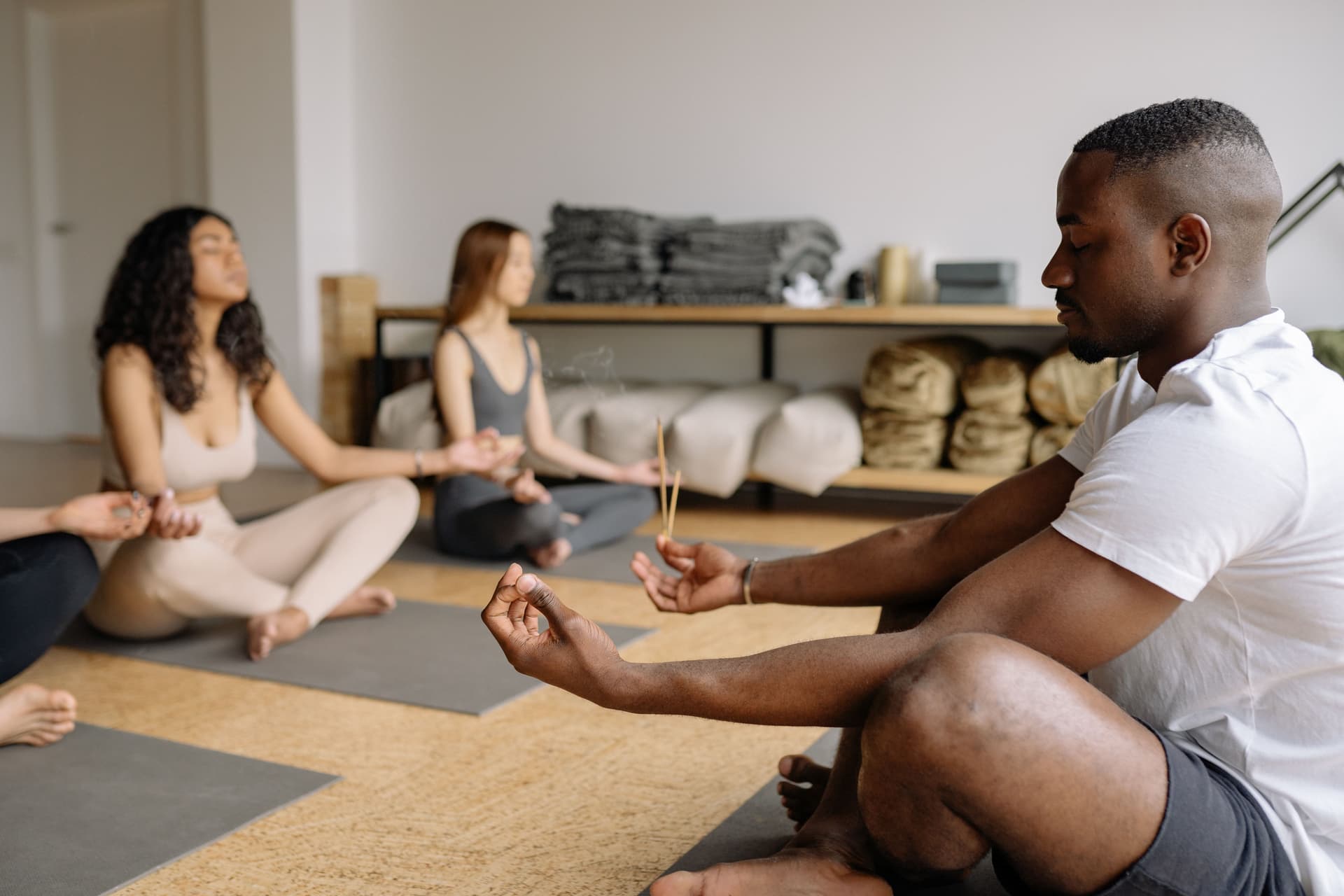
2026 Wellness Trends: Smarter Sleep, Fitness and Everyday Health
Wellness in 2026 is becoming less about extreme routines and more about sustainable habits that fit into everyday life.
People are paying greater attention to sleep, physical activity, recovery, nutrition, mental wellbeing and the technology they use to track their health. At the same time, wellness consumers are becoming more selective about products and claims, with greater interest in evidence, transparency and practical results. NielsenIQ describes the 2026 wellness consumer as increasingly self-directed and focused on functional benefits and ingredient transparency rather than simply following brands or trends.
Fitness technology is also becoming more prominent. The American College of Sports Medicine's 2026 worldwide fitness trends survey ranked wearable technology as the number one trend, while traditional strength training, data-driven technology and functional fitness all remained among the major trends.
Here are some of the wellness trends shaping 2026 and what they mean for everyday health habits.
Wellness Trends 2026 Are Moving Toward Practical Habits
One noticeable change is the shift away from complicated "perfect" wellness routines.
Instead of attempting to optimize every part of life at once, people are increasingly focusing on habits that can realistically be maintained.
That can mean getting more consistent sleep, exercising regularly, eating a balanced diet, spending time outdoors or reducing unnecessary digital distractions.
This is important because a wellness habit is only useful if it can be maintained.
A highly restrictive routine that lasts for two weeks may be less valuable than a simple routine that becomes part of everyday life.
Sleep Is Becoming a Bigger Part of Wellness
Sleep is no longer treated simply as time when the body is inactive. It has become a central part of conversations around recovery, daily performance and overall wellbeing.
That has also created a growing interest in sleep tracking. Wearables and other consumer devices can measure information such as sleep duration and patterns, allowing users to identify changes over time.
However, more data does not automatically mean better sleep.
A person who becomes overly focused on daily sleep scores may end up paying more attention to the number than to how their routine actually feels.
A more useful approach is to focus on basics: maintaining a reasonably consistent sleep schedule, creating a comfortable sleep environment and reducing activities that make it harder to wind down.
The broader wellness trend is therefore not simply "track sleep."
It is treat sleep as part of the health routine rather than an afterthought.
Wearable Technology Is the Biggest Fitness Trend
Wearable technology is the top-ranked fitness trend in the ACSM's 2026 worldwide survey. The category includes fitness trackers, smartwatches, heart-rate monitors and GPS devices that collect health and activity information.
Modern devices can track much more than steps.
Depending on the device, users may see data related to heart rate, distance, activity, sleep and other physiological measures. ACSM also notes that more advanced sensors are increasingly being used to capture additional indicators.
For everyday users, the biggest benefit may not be the sophistication of the sensor itself.
It may simply be awareness.
Seeing how often you walk, exercise or remain inactive can make behavior easier to monitor.
The limitation is that wearable measurements are not perfect. ACSM notes that rapid innovation can outpace validation, meaning users should understand that consumer-device measurements are not automatically equivalent to clinical measurements.
A fitness tracker can therefore be useful for observing trends, but it should not replace professional medical evaluation when that is required.
Strength Training Remains a Foundation
Despite the attention given to new technology, traditional strength training continues to be a major fitness trend.
ACSM ranked traditional strength training seventh in its 2026 forecast and describes resistance exercise as an important component of physical activity across the lifespan.
This includes familiar activities such as:
Free-weight exercises Resistance machines Bodyweight movements Other forms of resistance training
The broader trend is significant because fitness is increasingly being viewed as more than calorie burning.
Strength, mobility and the ability to perform everyday movements are becoming important parts of a balanced fitness routine.
For adults, the World Health Organization recommends muscle-strengthening activities involving major muscle groups on at least two days per week, alongside regular aerobic activity.
Functional Fitness Is Gaining Attention
Functional fitness is another important 2026 trend.
ACSM defines functional fitness as exercise focused on strength, power, mobility and endurance that can improve physical performance in real-world activities. It ranked tenth in the organization's 2026 forecast.
The concept is straightforward.
Rather than training only for appearance, functional exercise focuses on movements that can help with everyday tasks and overall physical capability.
Squats, lunges, carries, pressing movements and other multi-joint exercises are examples of movements commonly associated with this approach.
The broader lesson is that fitness does not have to be complicated to be useful.
A routine built around fundamental movements can provide a strong foundation.
More People Are Combining Cardio and Strength
Another important shift is the move away from treating cardio and resistance training as competing approaches.
Both have different roles.
Aerobic activity can support cardiovascular fitness, while resistance training develops muscular strength and supports physical function.
WHO recommends that adults aim for at least 150–300 minutes of moderate-intensity aerobic activity per week, or 75–150 minutes of vigorous activity, along with muscle-strengthening activity on at least two days per week.
That does not mean everyone needs a complex gym program.
Walking, cycling, swimming and other activities can contribute to aerobic activity, while bodyweight exercises or resistance training can contribute to strength work.
The most effective routine is usually the one that fits the individual's schedule and abilities.
Data-Driven Fitness Is Growing
ACSM ranked data-driven technology eighth in its 2026 fitness trends, reflecting growing use of physiological and activity data to guide exercise and recovery decisions.
This can include metrics such as heart rate, HRV, VO₂ max estimates and sleep information.
The idea is attractive because it turns exercise into something that can be measured over time.
For example, someone might use their activity data to notice that they are consistently inactive on workdays or that their training volume has changed significantly.
But data should support judgment rather than replace it.
A single score should not determine whether someone exercises, rests or changes their routine. Trends and context are generally more useful than obsessing over one measurement.
Mental Wellbeing Is Part of Fitness
Fitness trends are also expanding beyond physical appearance.
ACSM's 2026 survey ranks exercise for mental health among the notable fitness trends, reflecting the growing emphasis on emotional wellbeing as a reason for physical activity.
This changes how people think about exercise.
A workout does not have to be designed entirely around weight loss or appearance.
Walking outdoors, playing a sport, attending a fitness class or completing a strength session can also create structure and provide time away from sedentary routines.
The goal is not to turn every aspect of wellbeing into a performance metric.
It is to build activities that support a healthier lifestyle.
Nutrition Is Becoming More Personalized
Nutrition is another area where consumer behavior is changing.
NielsenIQ's 2026 wellness research describes consumers as increasingly self-directed and interested in functional benefits, ingredient transparency and products that fit their individual needs.
At the same time, social media continues to produce new nutrition trends at a rapid pace.
High-protein eating, functional foods and other diet trends continue to attract attention, but not every popular claim is equally supported by evidence. Recent reporting on 2026 wellness trends has also highlighted how viral nutrition trends can move faster than the evidence behind them.
That makes a basic principle particularly useful:
A trending food is not automatically a better food.
A sustainable eating pattern generally matters more than following every new wellness trend.
Digital Wellness Is Becoming More Important
Technology can improve health tracking, but it can also create new problems.
People increasingly spend significant amounts of time looking at phones, social platforms and digital services. This has contributed to interest in digital wellbeing and more intentional technology use.
A wellness routine in 2026 may therefore include not just exercise and nutrition, but also boundaries around digital activity.
That could mean turning off unnecessary notifications, keeping devices away during meals or creating a period before bed without social media.
The objective is not to eliminate technology.
It is to prevent technology from constantly interrupting activities that matter more.
Social Connection and Enjoyable Activities Matter
Wellness is also becoming less isolated.
ACSM's 2026 trends include adult recreation and sport clubs, reflecting interest in activities that combine exercise with social connection.
This can make physical activity easier to maintain.
A person who dislikes exercising alone may be more consistent when walking with friends, joining a recreational sports group or attending a class.
Enjoyment matters because a healthy routine does not need to feel like punishment.
The same principle applies beyond exercise. Cooking with family, spending time outdoors, pursuing hobbies and maintaining social relationships can all become part of a broader lifestyle built around wellbeing.
What a Balanced 2026 Wellness Routine Could Look Like
There is no universal wellness routine that works for everyone.
But current trends suggest that a balanced approach can include several basic areas.
Sleep: Maintain a consistent routine and create time to wind down.
Movement: Combine regular aerobic activity with strength training.
Nutrition: Focus on balanced, minimally processed foods and avoid chasing every viral diet claim.
Recovery: Allow enough time between demanding activities and pay attention to how your body responds.
Technology: Use wearables and apps for useful information without becoming dependent on every metric.
Social wellbeing: Include enjoyable activities and time with other people.
These are not revolutionary ideas.
That is precisely why they can be useful.
The Wellness Trend That Matters Most: Consistency
The biggest wellness trend of 2026 may be less about a specific product or exercise style and more about moving toward sustainable habits.
Wearables are becoming more sophisticated. Functional fitness is gaining attention. Strength training remains important. Consumers are asking more questions about nutrition and health products. Digital wellbeing is becoming increasingly relevant.
But none of these trends matters much if healthy behaviors cannot be maintained.
A simple walking routine can be more practical than an expensive fitness setup. A consistent sleep schedule can matter more than buying another sleep gadget. A balanced diet can be more sustainable than repeatedly switching between viral eating plans.
The most useful approach to wellness in 2026 is therefore not to follow every trend.
It is to identify the habits that genuinely improve your daily routine and make them sustainable.
For general health, WHO guidance supports regular physical activity and emphasizes that doing some activity is better than doing none. Adults can work toward recommended activity levels gradually rather than trying to change everything at once.
Wellness does not need to become another source of pressure.
The goal is simply to build a lifestyle that makes healthy choices easier to maintain over time.
Ethan Cole
Verified JournalistStaff Reporter & Contributor · MoneyAllotment
Sports correspondent reporting on global football, cricket leagues, Formula 1, and athlete analytics.
This article was researched, written, and verified in accordance with MoneyAllotment's editorial standards. Our financial reporting is strictly independent and unaffected by commercial affiliations.
Reader Discussion (0)
Be the first to share your perspective on this report.
Further Dispatches & Related Analysis
More from Lifestyle →
How to Reduce Screen Time Without Giving Up Your Phone
You do not need to stop using your smartphone to spend less time on it. Simple changes to notifications, app placement, routines and phone-free activities can make daily use more intentional.
How to Lose Belly Fat Without Extreme Dieting
Losing belly fat does not require crash diets or punishing workouts. A sustainable eating pattern, regular activity, strength training and enough sleep can help reduce excess body fat over time.
Leave a Comment
Your email address will not be published. Required fields are marked *