How to Lose Belly Fat Without Extreme Dieting
Losing belly fat does not require crash diets or punishing workouts. A sustainable eating pattern, regular activity, strength training and enough sleep can help reduce excess body fat over time.
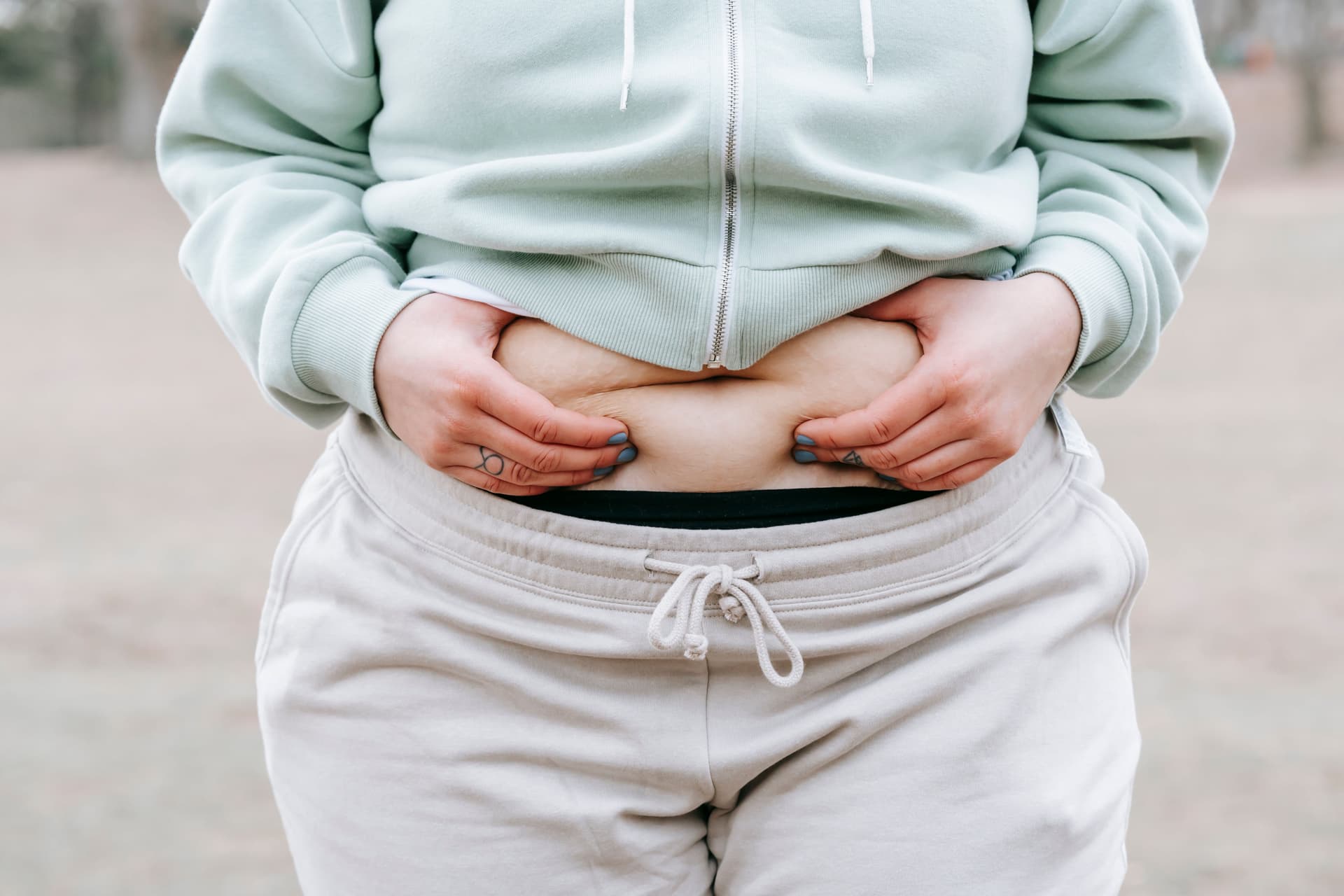
How to Lose Belly Fat Without Extreme Dieting
Getting rid of belly fat does not have to mean starving yourself, cutting out carbohydrates, or spending hours in the gym.
For most people, a better approach is to make sustainable changes that gradually reduce excess body fat while supporting muscle, fitness, and overall health. The CDC recommends combining healthy eating, regular physical activity, enough sleep, and stress management as part of a healthy weight-loss approach. The CDC also notes that people who lose weight gradually, at around 1 to 2 pounds per week, are generally more likely to keep it off than people who lose weight more quickly.
There is another important point: you cannot choose exactly where your body loses fat. Doing hundreds of crunches may strengthen your abdominal muscles, but it does not necessarily remove the fat covering them.
What Is Belly Fat?
The fat around your stomach is not all the same.
Some belly fat is subcutaneous fat, which sits directly beneath the skin. Deeper inside the abdomen is visceral fat, which surrounds internal organs. Excess fat around the abdomen is associated with increased health risks, which is one reason waist size can be more than a cosmetic issue.
According to Harvard Health, waist circumference can be a useful practical measure when assessing abdominal fat, although it does not directly measure visceral fat.
The goal, therefore, should not be to chase a perfectly flat stomach. A healthier objective is to gradually reduce excess body fat while improving fitness and maintaining muscle.
How to Lose Belly Fat Without Extreme Dieting
The basic principle behind fat loss is simple: over time, your body needs to use more energy than it gets from food and drinks.
That does not mean eating as little as possible.
A sustainable approach is usually easier to maintain than a crash diet. The National Institute of Diabetes and Digestive and Kidney Diseases recommends lifestyle changes such as adopting a healthy eating pattern and increasing physical activity to help people lose weight safely.
Instead of making drastic changes overnight, focus on habits that you can realistically continue for months.
Build Meals Around Nutritious Foods
You do not need to completely eliminate your favorite foods to lose fat.
A better strategy is to build most meals around nutritious foods and pay attention to portions. This can include vegetables, fruits, whole grains, lean protein sources, beans, lentils, eggs, fish, poultry, yogurt, nuts, seeds, and other minimally processed foods.
The NIDDK recommends choosing whole grains more often, eating a variety of vegetables, and making physical activity part of your routine.
This approach also leaves room for foods you enjoy. You do not have to make your diet perfect for it to work.
Reduce Liquid Calories
One of the easiest changes for some people is cutting back on high-calorie drinks.
Soft drinks, sweetened coffee, energy drinks, sugary juices, and other sweetened beverages can add a significant amount of energy to your daily intake without making you feel as full as a solid meal.
Replacing some of these drinks with water, sparkling water, unsweetened tea, or another lower-calorie option can be a simple way to reduce calorie intake.
The NIDDK explains that foods and beverages high in calories can contribute to excess calorie intake and weight gain.
You do not have to eliminate every sweet drink forever. Reducing frequency and portion size can already make a difference.
Eat Enough Protein
Protein can be useful during fat loss because maintaining muscle is an important part of improving body composition.
Good protein sources include eggs, fish, chicken, lean meat, Greek yogurt, cottage cheese, beans, lentils, tofu, and other soy foods.
The amount of protein you need depends on factors such as your body size, activity level, age, and overall diet. There is no need to automatically choose extremely high-protein diets or rely heavily on supplements.
The bigger goal is to make sure your meals contain enough nutritious food to keep you satisfied while supporting your activity.
Watch Portion Sizes
Healthy foods can still contribute to excess calorie intake when portions become very large.
For example, rice, oats, nuts, oils, bread, pasta, and other calorie-containing foods can all be part of a healthy diet, but the amount matters.
You do not necessarily need to weigh every meal for the rest of your life. Start by becoming more aware of portion sizes and reducing oversized servings where necessary.
The NIDDK recommends keeping food and beverage portions in check as part of healthy weight management.
Exercise Can Help Reduce Overall Body Fat
Exercise is useful not only because it burns energy, but also because it improves cardiovascular fitness, strength, mobility, and overall health.
The World Health Organization recommends that adults get at least 150 to 300 minutes of moderate-intensity aerobic activity per week, or an equivalent amount of vigorous activity. Adults should also perform muscle-strengthening activities involving the major muscle groups on at least two days each week.
You do not need to achieve that target on your first week.
If you currently do very little activity, start with shorter walks and gradually increase your weekly activity.
Walk More Every Day
Walking is one of the simplest ways to become more active.
A brisk 20–30 minute walk can be a useful starting point for someone who currently spends most of the day sitting. Over time, you can increase the duration or frequency.
The NIDDK recommends gradually working toward at least 150 minutes of moderate activity each week. It also notes that even smaller amounts of activity can provide health benefits.
Walking does not need to feel like punishment. Choose a pace and schedule that you can maintain consistently.
Add Strength Training
Strength training can help you maintain or build muscle while losing body fat.
A basic full-body routine might include:
- Squats or another leg exercise
- Push-ups or a pressing movement
- Rows or pull-downs
- Lunges
- Hip-hinge exercises
- Core exercises
You do not need an advanced gym program to get started.
The WHO recommends muscle-strengthening activities involving major muscle groups on at least two days each week.
Strength training is especially useful when your goal is to improve your body composition rather than simply make the number on the scale smaller.
Do Ab Exercises Burn Belly Fat?
This is one of the most common misconceptions about belly fat.
Crunches, planks, leg raises, and other core exercises can make your abdominal muscles stronger. But they do not guarantee that the fat over those muscles will disappear.
A study published in the Journal of Strength and Conditioning Research examined abdominal exercise over a six-week period. Participants improved abdominal muscle endurance, but the researchers did not find significant reductions in abdominal fat or body weight from the abdominal exercise program alone.
You can read the research through PubMed.
That does not mean you should stop training your core. Strong abdominal muscles are useful for movement, stability, and general strength.
The key is to combine core exercises with full-body resistance training and regular aerobic activity.
Do You Need to Stop Eating Rice or Carbs?
No.
There is no general requirement to completely remove rice, bread, potatoes, pasta, or other carbohydrate-containing foods to lose body fat.
Carbohydrates can be part of a healthy eating pattern. What matters is your overall calorie intake, food quality, portion sizes, and how those foods fit into your daily diet.
The NIDDK recommends choosing whole grains more often, including foods such as oatmeal, whole-wheat products, and brown rice.
If you regularly eat very large portions of rice or other carbohydrate-rich foods, reducing the portion may be more practical than eliminating them completely.
A diet based on foods you already enjoy is often easier to maintain than a highly restrictive diet built around foods you dislike.
Sleep and Stress Matter Too
Weight management is not only about food and exercise.
The CDC includes enough sleep and stress management as part of a healthy approach to weight loss.
Poor sleep does not automatically create belly fat, but consistently getting too little sleep can make healthy eating, exercise, and appetite management more difficult.
Most adults should aim for at least seven hours of sleep each night, although individual needs can vary.
A regular sleep schedule, a comfortable sleeping environment, and reducing unnecessary late-night screen exposure may help create better sleep habits.
Stress management matters for the same reason: the goal is to create a lifestyle that supports healthy decisions over time rather than constantly relying on willpower.
How Fast Should You Expect Results?
Belly fat generally takes time to reduce.
The CDC says that gradual weight loss of about 1–2 pounds per week is generally more sustainable for people who are trying to lose weight.
That number is not a guarantee or a target everyone should force themselves to reach. Weight-loss rates can vary considerably based on factors such as starting weight, calorie intake, activity, age, medications, medical conditions, genetics, and other individual factors.
Your waist size may also change at a different rate from your body weight.
Instead of judging progress from a single day, look at trends over several weeks.
You can track:
- Body weight
- Waist circumference
- Exercise performance
- Daily activity
- How your clothes fit
- Consistency with your eating habits
According to Harvard Health, waist circumference can provide a practical way to monitor changes in abdominal size when measured consistently.
A Simple Weekly Routine

You do not need a complicated program to begin.
A simple week could look like this:
Monday: Full-body strength training + 20–30 minute walk
Tuesday: 30–45 minute brisk walk
Wednesday: Full-body strength training
Thursday: 30-minute brisk walk
Friday: Full-body strength training + short walk
Saturday: Longer walk, cycling, swimming, or another activity you enjoy
Sunday: Rest or light activity
This is only an example. Your schedule can be adjusted based on your fitness level and available time.
The WHO recommends 150–300 minutes of moderate aerobic activity per week, along with muscle-strengthening exercise on at least two days.
If you are starting from a low level of activity, gradually building toward these recommendations is more realistic than trying to do everything immediately.
What to Avoid When Trying to Lose Belly Fat
Some weight-loss methods sound attractive because they promise fast results, but they can encourage unrealistic expectations.
Be cautious about programs claiming that you can lose all your belly fat in a few days, supplements marketed as “belly-fat burners,” extremely low-calorie diets, detox programs, or workout plans that promise spot reduction.
The NIDDK explains that safe weight-management programs generally include an appropriate eating plan, physical activity, monitoring, and ongoing support.
You do not need a miracle food or a special supplement.
Consistent habits are more important than finding a shortcut.
Focus on Habits You Can Keep
The most useful answer to how to lose belly fat is not a secret exercise or a highly restrictive diet.
It is a combination of habits that you can maintain:
Eat nutritious foods in sensible portions. Drink fewer high-calorie sugary beverages. Move more throughout the day. Do regular strength training. Add aerobic activity such as brisk walking. Get enough sleep. Manage stress. Track your progress over time.
You may not see dramatic changes in a week or two, and that is normal.
The goal is to gradually improve your body composition and health without creating a routine that you cannot maintain.
Losing belly fat is a longer-term process. A sustainable plan that fits your normal life is usually more useful than an extreme diet that works only temporarily.
Ethan Cole
Verified JournalistStaff Reporter & Contributor · MoneyAllotment
Sports correspondent reporting on global football, cricket leagues, Formula 1, and athlete analytics.
This article was researched, written, and verified in accordance with MoneyAllotment's editorial standards. Our financial reporting is strictly independent and unaffected by commercial affiliations.
Reader Discussion (0)
Be the first to share your perspective on this report.
Leave a Comment
Your email address will not be published. Required fields are marked *