Nasdaq's Strategic Investment in Payward: A $100 Million Commitment
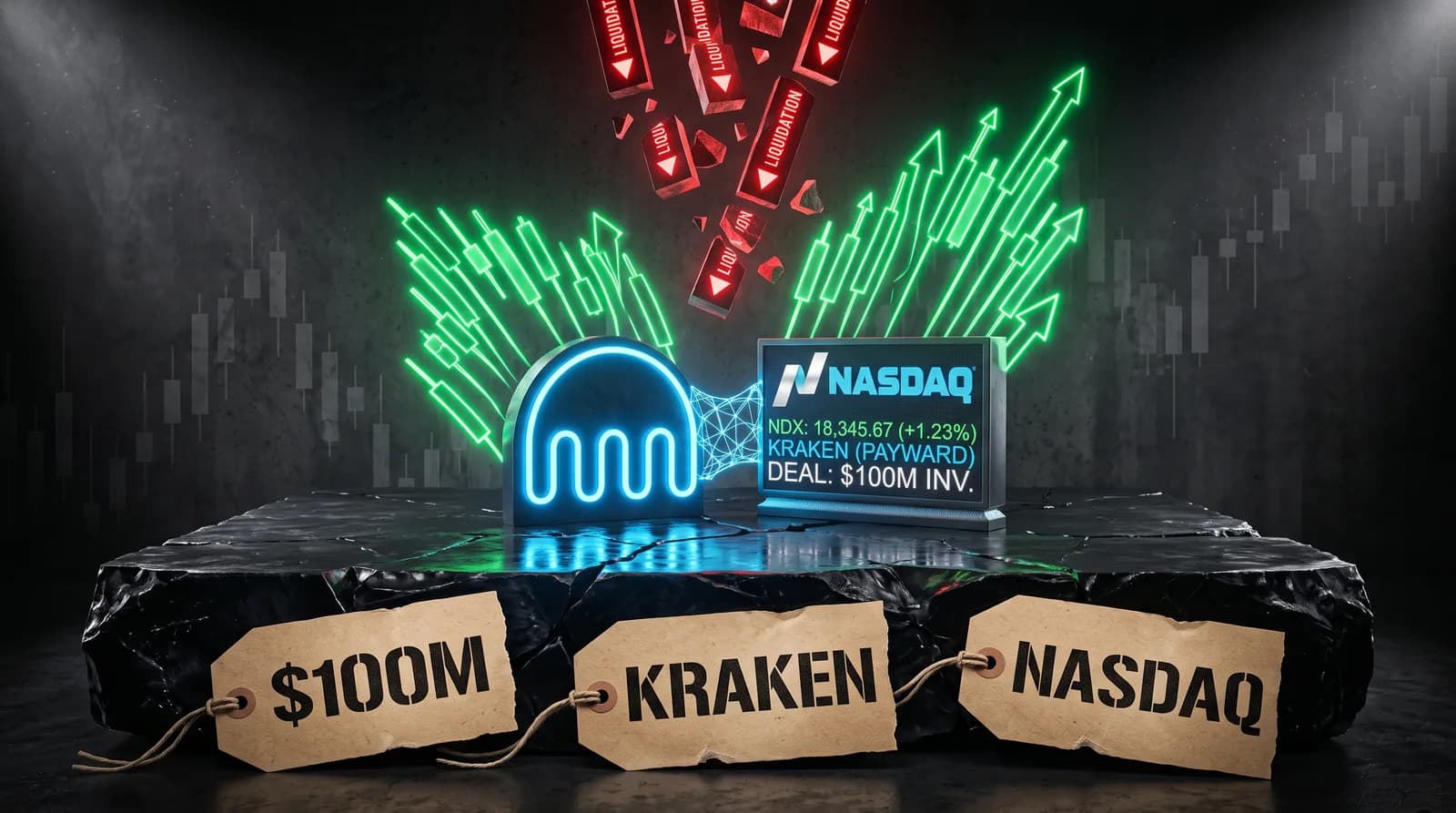
In September 2026, Nasdaq made a significant investment of $100 million in Payward, the parent company of Kraken, valuing the firm at an impressive $21 billion. This investment both underscores Nasdaq's confidence in the cryptocurrency landscape and highlights the evolving dynamics of traditional finance intermingling with decentralized finance (DeFi). This article examines the historical context of such investments, current market conditions, and what these developments mean for investors and the broader financial ecosystem.
Historical Context of Nasdaq and Payward
To understand the significance of Nasdaq's investment, one must consider the historical trajectory of both companies within the financial and cryptocurrency sectors. Nasdaq, founded in 1971, has evolved from being a traditional stock exchange to a key player in integrating technology and innovation in finance. Its willingness to invest in a crypto exchange like Kraken reflects a broader trend where institutional players are increasingly embracing digital assets.
Payward, founded in 2011, operates Kraken, one of the oldest and most reputable cryptocurrency exchanges. Over the past decade, Kraken has navigated various regulatory landscapes and market fluctuations, establishing itself as a trusted platform for trading a multitude of cryptocurrencies. The valuation of $21 billion indicates both Kraken's growth and the burgeoning confidence in crypto markets following the turbulence of past years.
The Current Crypto Market Landscape
As of September 2026, the cryptocurrency market has recovered significantly from previous downturns, particularly the crash of 2022, which saw Bitcoin plummet to its lowest levels since 2020. With Bitcoin currently hovering around $60,000 and Ethereum trading near $4,500, the market capitalization of cryptocurrencies has surpassed the $2 trillion mark once again. This resurgence can be attributed to several factors:
- Institutional Adoption: Major financial institutions are increasingly integrating cryptocurrencies into their portfolios, recognizing them as viable assets.
- Regulatory Clarity: Improved regulatory frameworks have provided greater security for investors, encouraging participation from both retail and institutional sides.
- Technological Advancements: Innovations such as layer-2 scaling solutions and decentralized finance applications have enhanced the usability and appeal of cryptocurrencies.
Nasdaq's Investment Strategy and Implications
The $100 million investment by Nasdaq into Payward reflects a calculated strategy that aligns with several macroeconomic trends:
- Diversification into Digital Assets: Nasdaq is expanding its portfolio beyond traditional equities and bonds, positioning itself at the forefront of the crypto revolution.
- Long-term Growth Potential: With the crypto market expected to continue its upward trajectory, Nasdaq's investment is aimed at capturing future growth opportunities.
- Integration of DeFi: By investing in Payward, Nasdaq is directly engaging with the DeFi space, which is poised to disrupt traditional financial systems.
Key Insight: Nasdaq's commitment to Payward signals a shift towards mainstream acceptance of digital currencies and platforms, offering a glimpse into the future of finance.
Comparative Analysis: Historical Valuations and Current Market Dynamics
To provide a clearer picture of how Nasdaq's investment fits into the broader financial landscape, we can compare historical valuations of major exchanges and their growth trajectories. The following table illustrates recent valuations of Nasdaq and other exchanges:
| Exchange | Year | Valuation (in billions) | Market Context |
|---|
| Nasdaq | 2026 | 21 | Investing in crypto |
| NYSE | 2021 | 25 | Traditional equity focus |
| Coinbase | 2021 | 85 | Peak crypto boom |
| Binance | 2023 | 30 | Expanding globally |
Strategic Takeaways for Investors
For investors looking to navigate the shifting landscape of finance and cryptocurrency, Nasdaq's investment in Payward offers several actionable insights:
- Evaluate Crypto Exposure: Consider diversifying into cryptocurrency-related assets, given their growing acceptance and potential for high returns.
- Monitor DeFi Developments: Keep an eye on developments in DeFi, as these technologies may redefine traditional financial services.
- Utilize Financial Tools: Leverage tools like the Inflation & Purchasing Power Calculator to assess the impact of inflation on investment strategies and the Debt Payoff Calculator to manage personal finances effectively.
Future Outlook: What Lies Ahead?
Looking forward, Nasdaq's investment may serve as a bellwether for future institutional investments in cryptocurrency. Analysts predict continued growth in the sector, particularly as more traditional financial institutions recognize digital assets' value.
- Potential for Further Consolidation: As the crypto space matures, further consolidation among exchanges may occur, leading to larger, more robust platforms.
- Regulatory Developments: Ongoing regulatory discussions will play a crucial role in shaping the future landscape of cryptocurrency trading and investment.
- Global Economic Factors: Inflation, interest rates, and global economic conditions will impact the crypto market; investors should remain vigilant and adaptable.
Conclusion
Nasdaq’s $100 million investment in Payward is not merely a financial transaction; it represents a strategic alignment with the future of finance. As the cryptocurrency market continues to evolve and mature, traditional financial institutions will likely play an increasingly integral role in shaping its trajectory. Investors who recognize and adapt to these changes will be better positioned to capitalize on emerging opportunities.
Disclaimer: This article is strictly for informational and educational purposes and does not constitute financial, investment, or legal advice. Always consult a certified financial advisor before making any investment decisions.
Frequently Asked Questions
What does Nasdaq's investment in Payward mean for investors?
Investors should view this as a strong signal of institutional confidence in the crypto market, indicating potential growth ahead.
How has the crypto market changed since 2021?
Since 2021, the crypto market has seen increased regulatory clarity, greater institutional investment, and technological advancements, contributing to its current recovery.



Leave a Comment
Your email address will not be published. Required fields are marked *