PayPal's stablecoin platform is set to transform the digital payment landscape by enabling custom token issuance for businesses and enhancing transaction efficiency.
Understanding Cost-Benefit Analysis Of Using Credit Vs. Debit: Strategic Fundamentals
Understanding Credit and Debit: The Basics is a vital component of long-term stability.
In today's economy, consumers face a critical decision on how to manage their finances—whether to use credit or debit. Understanding the cost-benefit analysis of using credit vs. debit is essential for making informed financial choices. Credit cards offer benefits such as building credit scores and rewards programs, while debit cards provide a straightforward way to manage expenses without incurring debt. This article will analyze these two payment methods, highlighting their advantages and disadvantages based on empirical data and market trends.
The Rise of Credit and Debit Usage
Credit and debit cards have increasingly become the preferred methods of payment in the United States. According to the Federal Reserve, as of 2022, consumers made over 80 billion credit card transactions, up from 75 billion in 2020. In contrast, debit card transactions have remained steady, with approximately 50 billion transactions in the same period.
Credit Card Growth: 80 billion transactions in 2022
Debit Card Stability: 50 billion transactions in 2022
This trend reflects changing consumer behavior, particularly among younger generations who increasingly value the flexibility and rewards associated with credit cards. However, this shift raises questions about spending habits and financial management.
Analyzing the Costs of Credit vs. Debit
Interest Rates and Fees
One of the most significant costs associated with credit cards is the interest rate. The average annual percentage rate (APR) on credit cards is around 16%, according to the U.S. Bureau of Labor Statistics. If a consumer carries a balance of $1,000 on a credit card for a year, they could incur approximately $160 in interest alone. In contrast, debit cards do not typically incur interest since they draw directly from the user's checking account. However, overdraft fees can apply if the account balance is insufficient.
Metric
Credit Card
Debit Card
Average APR
16%
N/A
Interest on $1,000
$160 (1 year)
$0
Overdraft Fee
N/A
Up to $35
Opportunity Costs
Using credit cards can also present opportunity costs, particularly regarding rewards and cash back. Many credit cards offer incentives such as 1-5% cash back on purchases, which can be significant for regular spenders. For instance, a consumer spending $12,000 annually on a credit card with a 2% cash-back rate would earn $240 in rewards. In contrast, debit cards typically do not offer such incentives, leading to potential lost benefits.
Key Insight: Choosing a credit card with rewards can lead to significant savings and benefits over time, making it a financially savvy option for regular spenders.
Building Credit: The Long-term Benefits of Credit Cards
Impact on Credit Scores
One of the most compelling advantages of using credit cards is their impact on credit scores. Credit utilization, which accounts for 30% of a credit score, is calculated by dividing the total credit balance used by the total credit limit. Maintaining a low utilization rate (below 30%) can significantly enhance a consumer's creditworthiness.
Credit Utilization Rate: Aim for below 30%
Impact on Credit Score: 30% of overall score
For individuals looking to make significant purchases, such as homes or cars, a higher credit score can translate to lower interest rates and better loan terms. This long-term benefit is a crucial factor in the cost-benefit analysis of using credit vs. debit.
Managing Debt Effectively
While credit cards can lead to debt accumulation if mismanaged, they can also be useful for budgeting and expense tracking. For instance, consumers can use credit cards to manage their monthly budgets effectively, provided they pay off the balance in full. The 50/30/20 Budget Calculator can assist individuals in setting aside funds for savings, essentials, and discretionary spending, ensuring that credit use aligns with their financial goals.
The Psychological Impact: Spending Habits and Consumer Behavior
Credit Cards: Encouraging Spending
Research has shown that consumers tend to spend more when using credit cards compared to debit cards. A study published in the Journal of Consumer Research found that people often perceive credit card payments as less painful than cash or debit transactions, leading to increased spending. This phenomenon can be particularly dangerous for individuals who struggle with impulse control.
Increased Spending: Credit card users spend 12-18% more than cash users
Psychological Effects: Credit cards reduce the pain of payment
Debit Cards: Encouraging Discipline
On the other hand, debit cards encourage more disciplined spending. Since they limit consumers to their actual account balances, users are less likely to overspend. This is especially beneficial for individuals who may struggle with maintaining a budget or managing debt. The Emergency Fund Calculator can help users determine how much they should save to cover unforeseen expenses, ensuring they remain financially secure while using debit cards.
The Financial Landscape: Economic Considerations
Inflation and Interest Rates
In the current economic climate, inflation rates have reached levels not seen in decades, with the Consumer Price Index (CPI) rising 8.6% year-over-year as of May 2022. Higher inflation erodes purchasing power, making it crucial for consumers to manage their finances efficiently. Credit cards may offer short-term relief through rewards and cash back, but accumulating debt in a high-interest environment can be perilous.
Current Inflation Rate: 8.6% (as of May 2022)
Considerations: Higher costs for goods and services
Economic Trends in Consumer Credit
The Federal Reserve has noted a steady increase in consumer credit, which reached nearly $4 trillion in 2021. This growth is indicative of the reliance on credit for everyday purchases. However, as interest rates rise in response to inflation, consumers may face higher borrowing costs, making it essential to weigh the benefits of credit against potential debt accumulation.
Conclusion: Making the Right Choice
In summary, the cost-benefit analysis of using credit vs. debit reveals a complex landscape for consumers navigating today's economy. While credit cards offer advantages such as rewards, credit building, and flexibility, they also come with risks such as high interest rates and potential overspending. Debit cards, in contrast, provide a straightforward approach to managing finances without incurring debt but lack the rewards typically associated with credit.
Key Recommendations
Assess your spending habits: Are you disciplined enough to use credit cards without accruing debt?
Build an emergency fund: Use the Emergency Fund Calculator to determine how much you should save to buffer against unexpected expenses.
Ultimately, consumers should consider their financial goals, spending habits, and risk tolerance when deciding between credit and debit. By understanding how each option works and making informed choices, individuals can better manage their money and plan for their financial future.
Credit vs. Debit Spending Over Time
Average Spending ($) vs. Year
$8,500 Average Difference
Series:
Analytical Takeaway: Credit card users consistently spend more over time compared to debit card users, highlighting potential pitfalls of credit use.
The Final Verdict: Is Credit or Debit Right for You?
Determining whether to use credit or debit ultimately depends on individual circumstances. For those who can manage credit responsibly, it can be a powerful tool for building wealth. However, individuals who struggle with impulse control or debt management may find debit cards to be the safer option. By understanding these financial tools and their implications, consumers can make informed decisions that align with their long-term financial objectives.
Frequently Asked Questions
What are the main advantages of credit cards?
Credit cards offer rewards, improve credit scores, and provide purchase protection, which can enhance financial flexibility.
How can I manage my credit card debt effectively?
To manage credit card debt, aim to pay the balance in full each month, utilize budgeting tools, and avoid unnecessary purchases.
Software engineer specializing in financial modeling tools, FinTech infrastructure, and Web3 data systems. At MoneyAllotment, he designs client-side financial calculators and writes analytical breakdowns covering banking technology, crypto rails, and automated personal finance algorithms.
Editorial Integrity & Transparency
This article was researched, written, and verified in accordance with MoneyAllotment's editorial standards. Our financial reporting is strictly independent and unaffected by commercial affiliations.
Enhance your career ROI by navigating the current job market effectively. Follow this step-by-step guide for actionable insights and practical strategies.
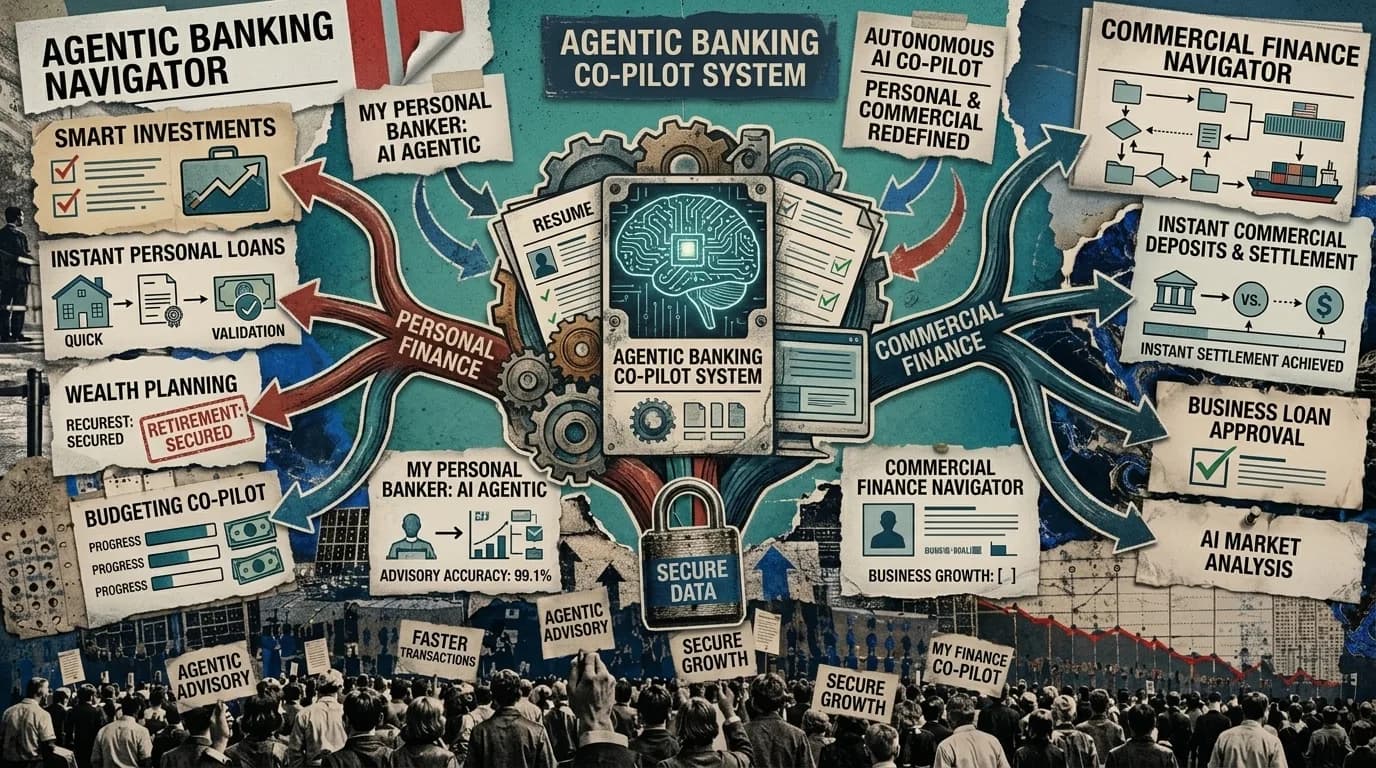
Agentic banking is moving beyond traditional chatbots by using autonomous AI co-pilots to monitor finances, automate payments, manage cash flow and support complex banking workflows. Explore how AI agents could transform personal finance and commercial banking, along with the security, regulatory an



Leave a Comment
Your email address will not be published. Required fields are marked *