••
Kevin O’Leary Faces Backlash Over Utah Data Center Project
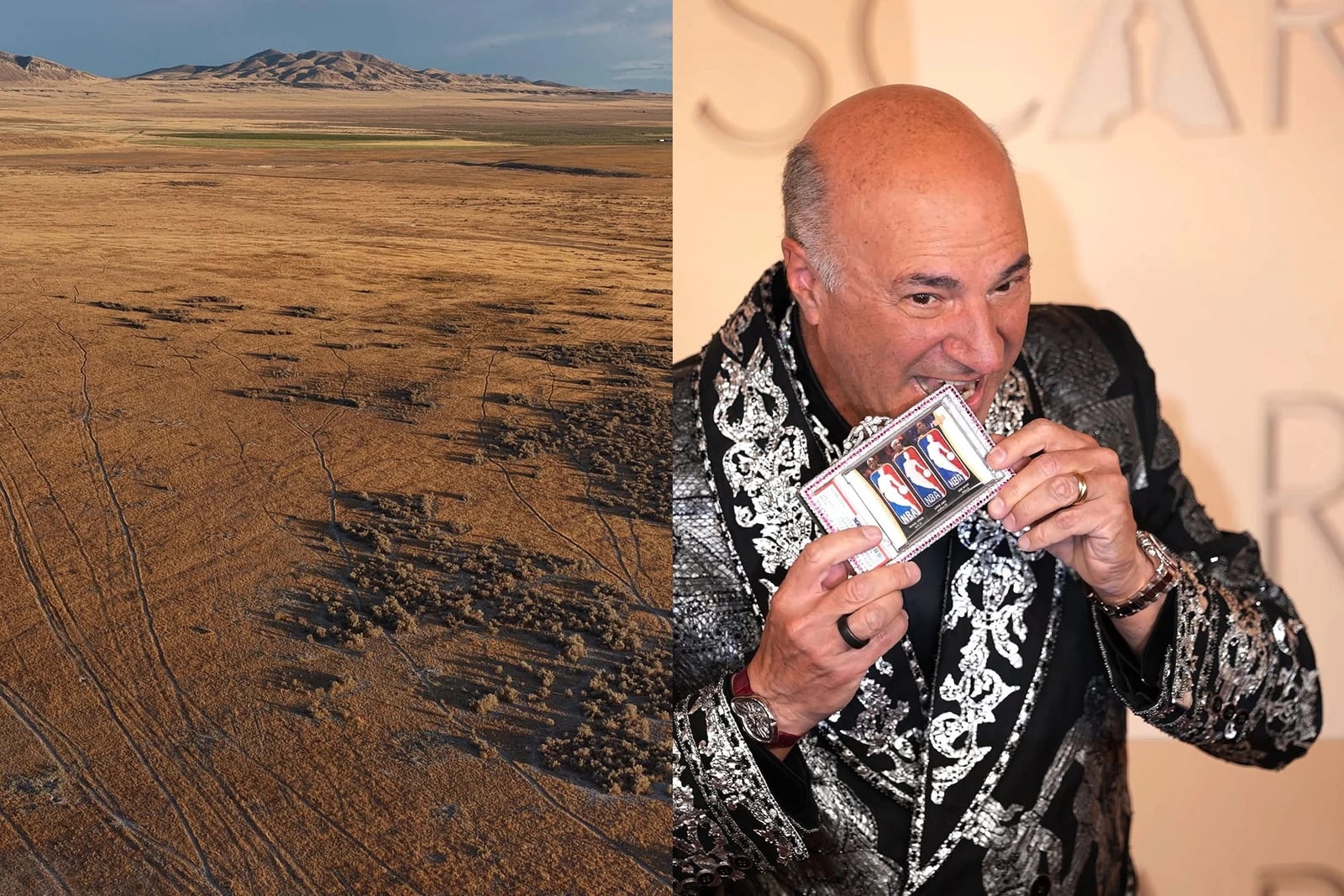
Celebrity investor Kevin O’Leary has ignited controversy with his Wonder Valley data center project in Utah. His claims of being targeted by foreign agents have raised eyebrows and questions about the project’s implications for local communities.
Share Article:
Editorial Illustration · MoneyAllotment
The Core Catalyst: Key Facts
On May 11th, celebrity investor Kevin O’Leary made headlines during an appearance on Fox Business, claiming he was under attack by Chinese agents due to his new project, Wonder Valley. This announcement follows weeks of O’Leary promoting the data center initiative, which aims to establish a significant tech hub in Utah.
- Project Name: Wonder Valley
- Location: Utah
- Investor: Kevin O’Leary
- Date of Announcement: May 11, 2023
- Claims of Foreign Interference: Allegations of being targeted by Chinese agents
Market & Industry Breakdown
The Wonder Valley project represents a bold move within the tech sector, aiming to leverage Utah's favorable business environment and growing tech landscape. However, O’Leary's claims have both drawn public interest and skepticism regarding the project's viability and potential impact on local communities.
- Local Economic Impact: Potential job creation and investment influx
- Community Concerns: Environmental effects and local resource allocation
- Regulatory Scrutiny: Increased attention from local governments and advocacy groups
Strategic Implications & Forward Outlook
The backlash O’Leary faces could have significant implications for the future of the Wonder Valley project. Investors and technology professionals are watching closely to gauge how this controversy may affect public opinion and regulatory responses.
- Investor Sentiment: O’Leary's public image may influence investor confidence
- Community Engagement: The need for O’Leary to address local concerns proactively
- Long-term Viability: The potential for regulatory hurdles and community pushback to derail the project
This situation is particularly crucial for investors and technology professionals who are keen on understanding the intersection of investment, community engagement, and regulatory frameworks in tech initiatives. O’Leary’s claims may obscure the project’s potential benefits, prompting a need for clear communication and transparency moving forward.
According to reporting originally covered by The Verge, the narrative around Wonder Valley is likely to evolve as both supporters and detractors voice their opinions. Stakeholders must navigate this complex landscape to ensure that technological progress does not come at the expense of community integrity and environmental sustainability.
Topics:
From the Desk
All Technology →More in Technology

Huawei Innovates with Revolutionary Camera Attachment for Smartphones
Huawei has unveiled a groundbreaking camera attachment for its latest smartphone, elevating long-distance photography capabilities beyond current standards. This innovation positions Huawei at the forefront of mobile photography technology amidst fierce competition from other Chinese manufacturers.

Fresh Reporting
Browse All Stories →Latest from The Ledger

Dune Report Reveals Divergence in Tokenized Assets and Traditional Markets
A new study by Dune Analytics highlights significant differences in trading patterns between tokenized assets and traditional markets, with the value of Real World Assets (RWA) reaching $34.5 billion. This revelation has important implications for investors and the evolving landscape of digital fina




Leave a Comment
Your email address will not be published. Required fields are marked *