••
Bitcoin Stalls in $82,000-$85,000 Range as Inflation Cools Fed Rate Hike Bets
Bitcoin's price fluctuated between $82,000 and $85,000 as inflation data eased expectations for Federal Reserve rate hikes. The surge above $85,000 was short-lived, highlighting market volatility amidst regulatory uncertainties.
Share Article:
Editorial Illustration · MoneyAllotment
The Core Catalyst: Key Facts
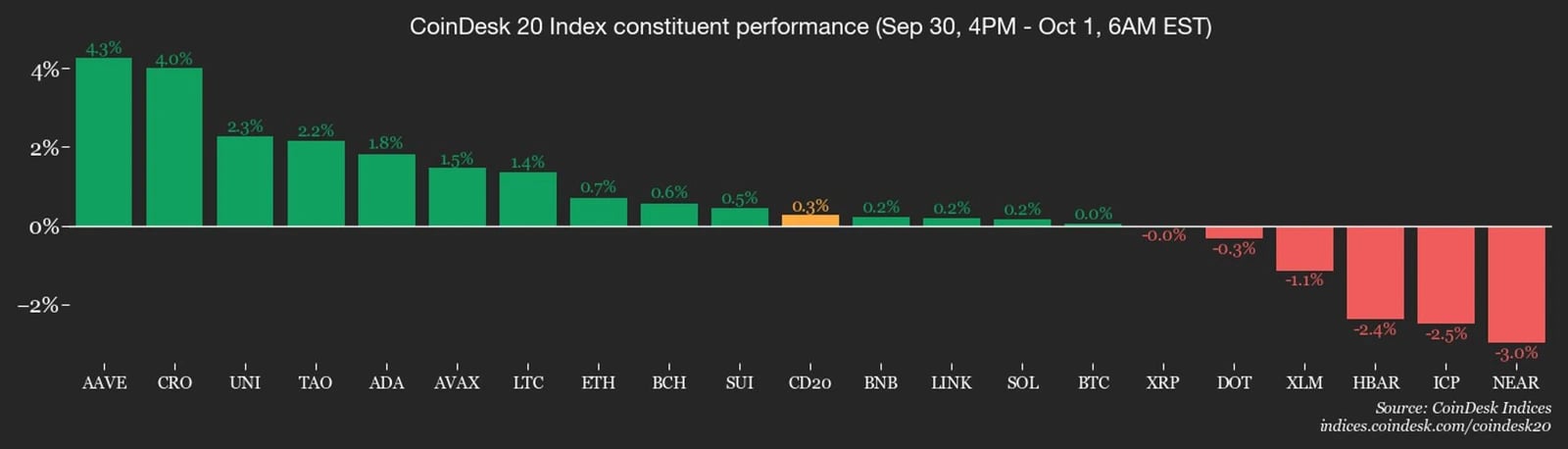
Bitcoin opened the new quarter within its familiar price range of $82,000 to $85,000, briefly surpassing the $85,000 mark on Wednesday. This uptick followed the release of weaker-than-expected U.S. inflation data, which calmed speculation regarding imminent Federal Reserve rate hikes. However, the bullish momentum proved unsustainable, leading to a retreat back into the established range.
- Price Range: Bitcoin fluctuated between $82,000 and $85,000.
- Peak Price: Briefly topped $85,000 on Wednesday.
- Market Reaction: Spot ETFs did not significantly bolster demand.
Market & Industry Breakdown
The cryptocurrency market is reacting to macroeconomic indicators, particularly inflation rates that directly influence monetary policy. The recent inflation data has shifted sentiment, reducing the urgency for the Fed to raise interest rates, which typically strengthens the dollar and can negatively impact Bitcoin's price.
Key Market Indicators:
- Inflation Rate: Weaker-than-expected, easing Fed rate hike anxiety.
- Investor Sentiment: Mixed, as bulls struggle to maintain upward momentum.
- ETF Impact: Spot ETFs have not provided the expected support for Bitcoin's price.
Strategic Implications & Forward Outlook
For investors, the current price range signifies a critical juncture. The inability to maintain gains above $85,000 raises questions about the sustainability of bullish trends in this volatile market. The interplay between inflation data and Fed policy will continue to shape investor sentiment.
Investor Considerations:
- Volatility: The market remains highly sensitive to economic indicators.
- Regulatory Environment: Ongoing uncertainties may hinder significant investments in Bitcoin.
- Long-Term Outlook: While short-term fluctuations are expected, the long-term trajectory will depend on broader economic conditions and technological advancements in the crypto space.
This development matters to investors and technology professionals as it underscores the intricate relationship between macroeconomic factors and cryptocurrency valuations. The current state of Bitcoin emphasizes the need for vigilance and strategic planning in investment approaches.
According to reporting originally covered by CoinDesk...
Topics:#Bitcoin
From the Desk
All Crypto →More in Crypto

Crypto Sector Faces $1.26 Billion Hack Loss Amid Bitcoin Surge
The cryptocurrency market suffered a staggering $1.26 billion loss due to hacks, even as Bitcoin experienced a significant surge. This juxtaposition highlights ongoing vulnerabilities in the crypto space despite bullish market trends.

Fresh Reporting
Browse All Stories →Latest from The Ledger
Crypto Sector Faces $1.26 Billion Hack Loss Amid Bitcoin Surge
The cryptocurrency market suffered a staggering $1.26 billion loss due to hacks, even as Bitcoin experienced a significant surge. This juxtaposition highlights ongoing vulnerabilities in the crypto space despite bullish market trends.



Leave a Comment
Your email address will not be published. Required fields are marked *