••
Venus' Mysterious Haze Revealed as Cosmic Dust: New Insights
Recent research has unveiled that the enigmatic haze enveloping Venus is composed of cosmic dust, specifically iron particles and sulfuric acid. This discovery alters our understanding of the planet's atmospheric conditions and origins.
Share Article:

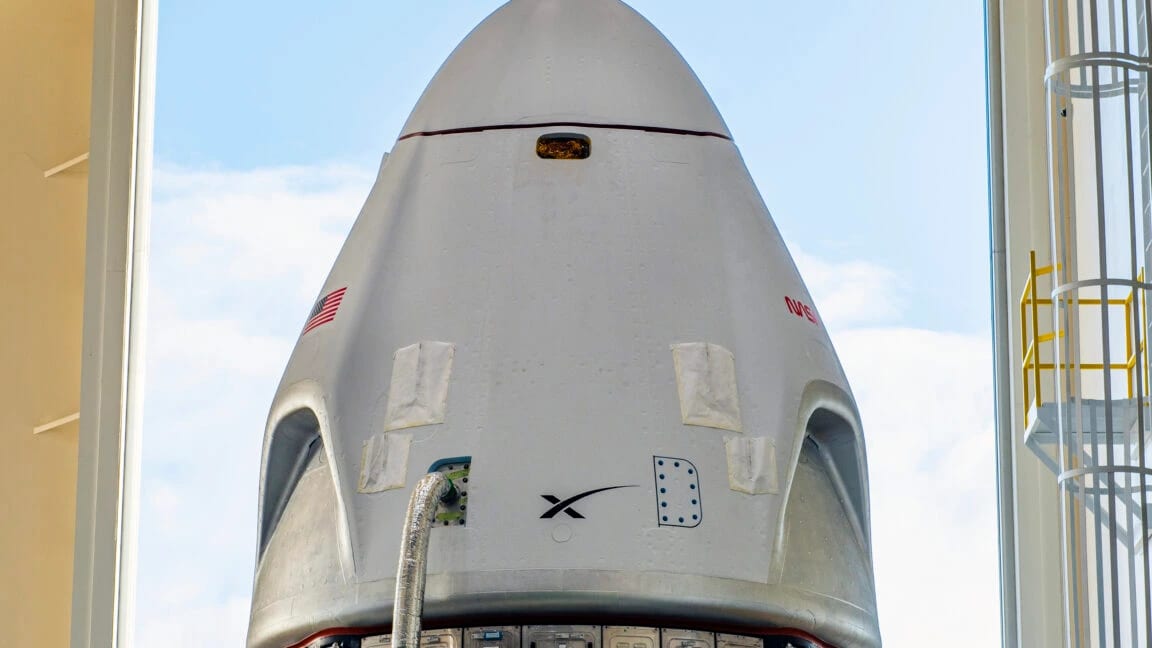
Editorial Illustration · MoneyAllotment
The Core Catalyst: Key Facts
A groundbreaking study has revealed that the mysterious haze surrounding Venus is not merely a planetary anomaly but is primarily composed of cosmic dust. This finding, articulated through a comprehensive physical model, indicates that a combination of iron dust and sulfuric acid creates the atmospheric properties observed on the second planet from the Sun.
- Composition of Haze: The haze consists mainly of iron dust and sulfuric acid.
- Research Model: A physical model was developed to simulate atmospheric conditions of Venus.
- Significance: This discovery could reshape our understanding of Venus's atmospheric dynamics and its formation.
Market & Industry Breakdown
This revelation about Venus's atmosphere could have broad implications for various fields:
- Space Exploration: Understanding the composition of Venus's atmosphere can inform future missions, particularly those aimed at studying its geology and climate.
- Astrophysics: Insights into cosmic dust may enhance models that predict atmospheric behaviors on other planets, including exoplanets.
- Material Science: The behavior of sulfuric acid and iron dust under extreme conditions can inspire new materials for industrial applications.
Strategic Implications & Forward Outlook
For investors and technology professionals, the implications of this discovery extend beyond planetary science:
- Investment Opportunities: Companies involved in space exploration and satellite technology may see increased interest and funding as knowledge of planetary atmospheres expands.
- Technological Development: Innovations in atmospheric modeling and simulation technologies could emerge, enhancing predictive capabilities in various industries.
- Consumer Awareness: As public interest in space science grows, educational and entertainment sectors may capitalize on this discovery, potentially leading to increased funding for scientific research.
In summary, the identification of cosmic dust as the primary component of Venus's haze both enhances our understanding of the planet and opens new avenues for research and investment in space and material sciences. According to reporting originally covered by Ars Technica, this finding could significantly impact how we perceive atmospheric conditions across the solar system and beyond.
Topics:#Venus
From the Desk
All Technology →More in Technology

TechCrunch Disrupt 2026: Building Enduring Companies in the AI Era
TechCrunch Disrupt 2026 centers on a pivotal question: How to create lasting companies in the age of AI? With a focus on innovative programming and speaker insights, this year’s event promises to shape the future of technology and entrepreneurship.

Fresh Reporting
Browse All Stories →Latest from The Ledger

Bond Yields Retreat as Treasury Market Sees Renewed Buyer Interest
U.S. Treasury bond yields have declined from recent highs as buyers step back into the market, indicating a shift in investor sentiment. This development highlights the ongoing fluctuations in the financial landscape amid economic uncertainty.


Leave a Comment
Your email address will not be published. Required fields are marked *