••
Steam Deck 2: AMD Gainsborough Chip Could Drive Next-Gen Gaming
Valve's anticipated sequel to the Steam Deck hinges on the new AMD Gainsborough chip, which promises a significant performance leap. As handheld gaming evolves, this development could redefine the gaming landscape.
Share Article:
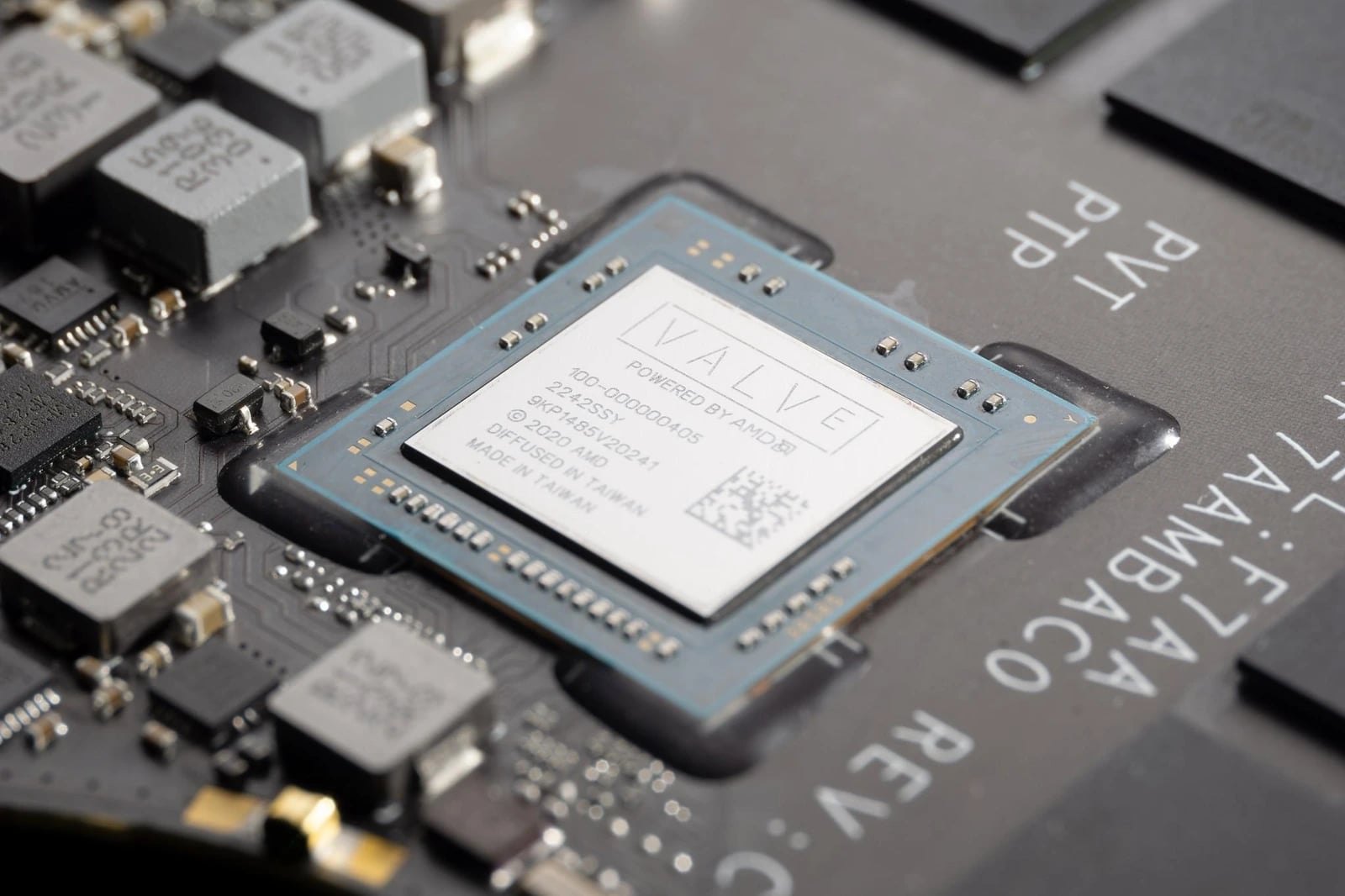
Editorial Illustration · MoneyAllotment
The Core Catalyst: Key Facts
The Steam Deck, Valve's handheld gaming device, has been in the market for four and a half years, and anticipation for a successor is building. Valve has repeatedly stated that the next iteration, the Steam Deck 2, requires a chip that offers a "generational leap" in performance and efficiency. Recent discussions have centered on the AMD Gainsborough chip as a potential candidate for this advancement.
- Timeframe: Steam Deck was released in February 2022.
- Performance Expectations: Valve seeks a chip that significantly enhances both performance and energy efficiency.
- Current Landscape: The gaming industry is rapidly evolving, with competitors also releasing new handheld devices.
Market & Industry Breakdown
The handheld gaming market has seen robust growth, driven by consumer demand for portable gaming solutions. The introduction of the AMD Gainsborough chip could have far-reaching implications for both Valve and the broader gaming industry.
- Competitors: Companies like Nintendo and Asus are also innovating in this space.
- Market Growth: The global handheld gaming market is projected to grow at a CAGR of 10.5% through 2026.
- Consumer Expectations: Gamers are increasingly demanding higher graphical fidelity and longer battery life in portable devices.
Strategic Implications & Forward Outlook
The potential adoption of the AMD Gainsborough chip could position Valve favorably in a competitive landscape. This development both impacts Valve's strategic direction and sets the stage for future innovations in mobile gaming technology.
- Investor Confidence: A successful launch of the Steam Deck 2 could enhance investor confidence in Valve’s commitment to innovation.
- Technological Advancements: The Gainsborough chip is expected to support next-gen graphics and improved power management.
- Consumer Impact: If Valve delivers on its promise of a significant performance leap, it could redefine user expectations for handheld gaming.
Key Takeaway:, the AMD Gainsborough chip represents a critical juncture for Valve as it prepares for the next chapter of handheld gaming. According to reporting originally covered by The Verge, the tech community is eagerly watching to see if this chip can fulfill the high expectations set by both consumers and industry analysts alike.
Topics:
From the Desk
All Technology →More in Technology

Google Launches Guided Vision for Real-Time Text Reading on Android
Google has unveiled its new Guided Vision feature, available on Gemini Live, that uses AI to provide real-time audio descriptions for text and objects through your phone's camera. This innovation aims to assist users in reading small text and navigating their surroundings more effectively.

Fresh Reporting
Browse All Stories →Latest from The Ledger

Meta Denies Muse AI Read User Messages Without Consent
Meta's communications chief, Andy Stone, refutes claims that the Muse AI agent accessed a user's messages without permission, emphasizing user control over privacy settings.



Leave a Comment
Your email address will not be published. Required fields are marked *