••
Patient-Zero Drill Exposes Weaknesses in Health Facilities: 40% Fail to Respond
A recent patient-zero drill revealed alarming deficiencies in health facilities, with 40% failing to respond effectively to simulated health crises. The exercise involved actors portraying patients with fake symptoms across 73 healthcare locations.
Share Article:
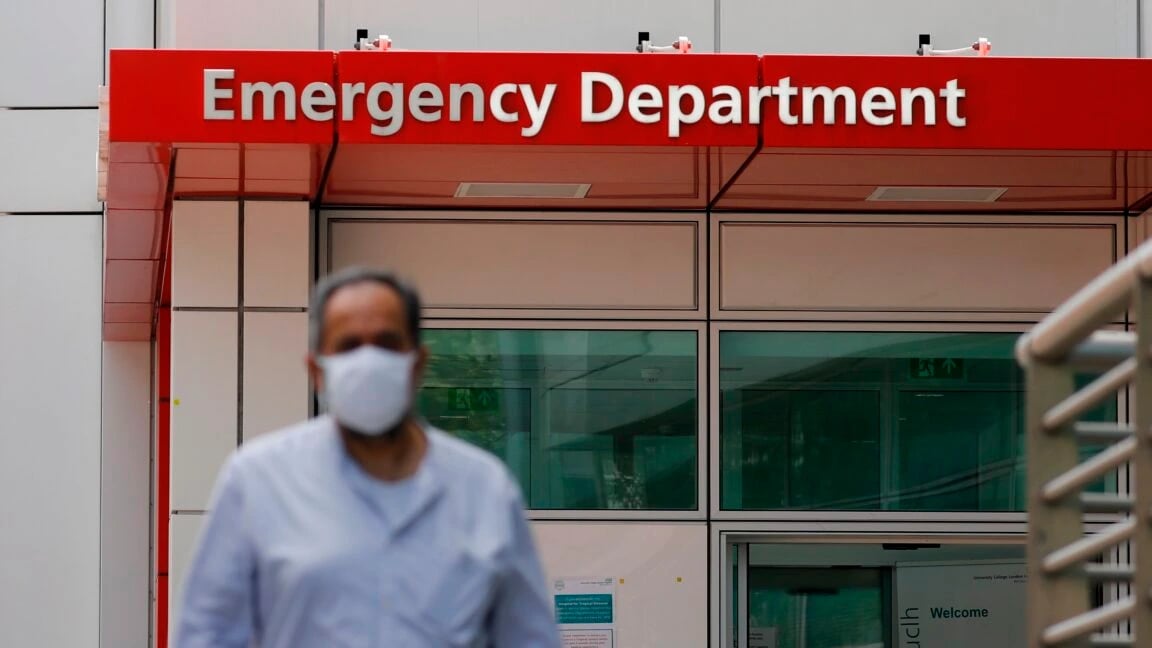
Editorial Illustration · MoneyAllotment
The Core Catalyst: Key Facts
A recent drill simulating a patient-zero scenario has revealed significant shortcomings in the preparedness of healthcare facilities across the country. Conducted in October 2026, the exercise involved actors with makeup and fake symptoms staggering into 73 healthcare facilities, testing their ability to respond to a potential health crisis.
- 40% of facilities failed the drill, demonstrating inadequate response protocols.
- The drill aimed to assess readiness for real-world health emergencies, including infectious disease outbreaks.
- 73 healthcare locations participated in the exercise, covering a range of urban and rural settings.
Market & Industry Breakdown
The findings from the patient-zero drill raise serious concerns about the overall readiness of healthcare systems, particularly in the face of increasing health threats.
- Preparedness Gap: The 40% failure rate highlights a critical gap in emergency preparedness strategies, which could jeopardize patient safety.
- Potential Financial Implications: Facilities that fail to meet preparedness standards may face regulatory scrutiny and potential financial penalties.
- Impact on Public Trust: These results could erode public confidence in healthcare institutions, especially during actual health emergencies.
Strategic Implications & Forward Outlook
This recent drill serves as a wake-up call for health facilities and policymakers, emphasizing the need for immediate improvements in emergency response protocols.
- Investment in Training: Healthcare facilities may need to increase investment in staff training and simulations to better prepare for real crises.
- Policy Revisions: Policymakers should consider revising health regulations to enforce stricter preparedness standards.
- Public Awareness Campaigns: Increasing public awareness about healthcare readiness could bolster community trust and engagement in health initiatives.
Final Thoughts
The results of the patient-zero drill are a stark reminder of the vulnerabilities present in our healthcare systems. As the threat of infectious diseases continues to loom, ensuring that facilities can effectively respond to crises is paramount for safeguarding public health. According to reporting originally covered by Ars Technica...
Topics:#health
From the Desk
All Technology →More in Technology
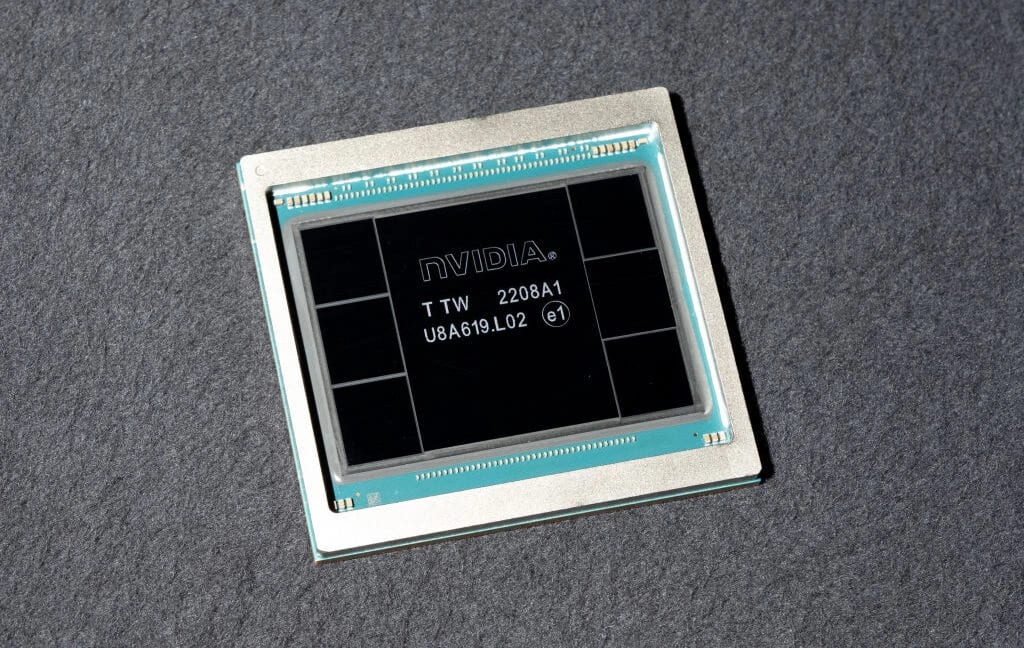
Tech CEO Arrested for Allegedly Smuggling $300M in Nvidia Chips to China
In a significant crackdown, U.S. authorities have arrested a tech CEO accused of smuggling $300 million worth of Nvidia chips into China. This incident underscores ongoing concerns over chip export regulations and national security.

Fresh Reporting
Browse All Stories →Latest from The Ledger

Ethereum Layer-2 Network Blast Shuts Down Amid Financial Struggles
Ethereum layer-2 network Blast, once valued at $2.3 billion, is shutting down due to unsustainable operating costs. Users must withdraw their assets to the mainnet by October 26, according to the company.

Leave a Comment
Your email address will not be published. Required fields are marked *