Navigating Market Volatility: Top Strategies for Crypto Investors in an Inflationary Era
Explore essential strategies for navigating market volatility and inflation as a crypto investor. Le Discover practical Strategies for Crypto Investors principl
Photography & Data Visualization · MoneyAllotment WireEditorial Archives
Executive Key Takeaways
6 Min Read•Cryptocurrency Desk
Explore essential strategies for navigating market volatility and inflation as a crypto investor. Le Discover practical Strategies for Crypto Investors principl
Empirical Data VerifiedIndependent Editorial Wire
Reader Discussion (0)
Be the first to share your perspective on this report.
Leave a Comment
Your email address will not be published. Required fields are marked *
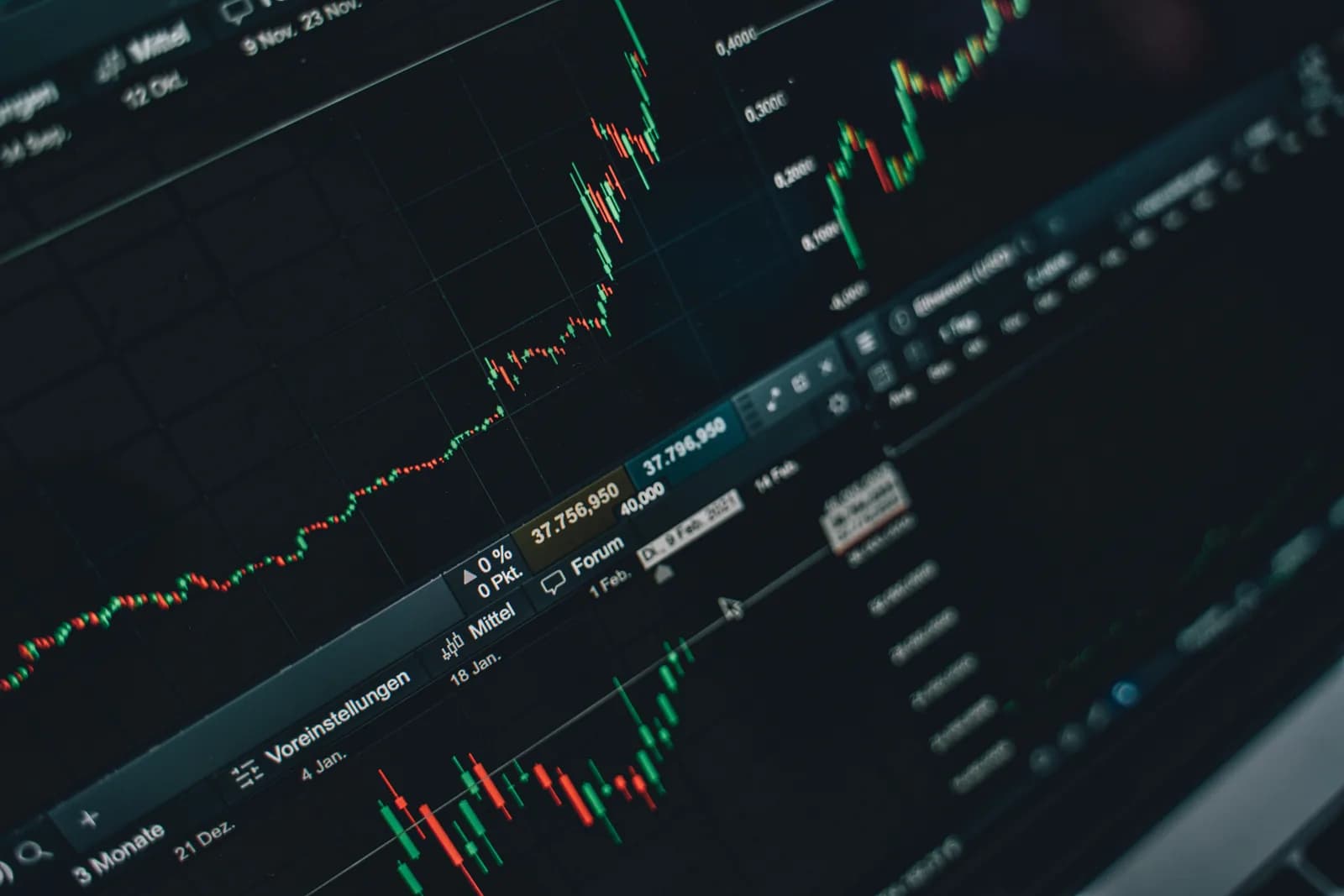
Bitcoin climbs as oil tops $100, equities drop after Iran strikes, reflecting market volatility and investor sentiment shifts. Understanding these dynamics is crucial.
Understanding Strategies For Crypto Investors: Strategic Fundamentals
Understanding Market Volatility in Cryptocurrency is a vital component of long-term stability.
Market volatility refers to the rapid and often unpredictable price fluctuations of assets. In the cryptocurrency space, this volatility is pronounced, driven by factors such as regulatory news, technological developments, and broader economic conditions. Investors often find themselves questioning how to protect their holdings during inflationary periods, which can exacerbate volatility.
With inflation rates in many countries reaching levels not seen in decades, understanding how to navigate these turbulent waters becomes essential for crypto investors. A recent report from the U.S. Bureau of Labor Statistics indicates that the Consumer Price Index (CPI) grew by 8.3% year-over-year as of August 2022, underscoring the urgency for strategic financial maneuvers.
The Inflationary Impact on Crypto Assets
Inflation erodes purchasing power, meaning that each dollar buys fewer goods and services than before. This impact can extend to digital currencies, particularly as investors react to economic shifts. In an inflationary environment, traditional assets such as stocks and bonds may also suffer, prompting investors to seek refuge in cryptocurrencies. However, this can lead to increased volatility as the market reacts to macroeconomic signals.
Historical Context: Crypto and Inflation
Historically, Bitcoin is often viewed as a hedge against inflation. Its limited supply of 21 million coins creates scarcity, which some investors believe can protect against the devaluation of fiat currencies. For example, during the inflation surge of 2021, Bitcoin reached an all-time high of nearly $69,000, suggesting that many turned to crypto as a potential store of value.
Year
Bitcoin Price
CPI Change (%)
2020
$7,200
1.2
2021
$69,000
7.0
2022
$19,000
8.3
Adapting Investment Strategies
In light of inflation and market volatility, crypto investors must adapt their strategies. Here are several effective approaches:
Diversification: Spread your investments across various cryptocurrencies to mitigate risks. Instead of putting all funds into Bitcoin, consider altcoins like Ethereum, Cardano, or Solana.
Dollar-Cost Averaging (DCA): Invest a fixed amount regularly regardless of market conditions. This strategy reduces the impact of volatility as it averages the cost of your investment over time.
Stablecoins Utilization: When market conditions become too volatile, converting a portion of your portfolio into stablecoins can help protect your capital. Stablecoins are pegged to fiat currencies like the U.S. dollar and provide a buffer against price swings.
Long-Term Holding (HODL): Many seasoned investors advocate for holding assets over longer periods. This approach can be effective, especially during periods of high volatility, as it allows markets to stabilize.
Risk Management Techniques
Managing risk is crucial in the realm of cryptocurrency investment. Here are key techniques:
Setting Stop-Loss Orders
Stop-loss orders automatically sell your assets when they fall below a certain price. This strategy can prevent further losses in a declining market. For example, if you purchase Bitcoin at $25,000 and set a stop-loss order at $22,000, your exposure is limited to a $3,000 loss.
Portfolio Allocation
Allocate your portfolio based on risk tolerance. Consider the following breakdown:
Risk Tolerance
Crypto Allocation
Traditional Assets Allocation
High
70%
30%
Medium
50%
50%
Low
30%
70%
Adjusting your allocations in response to market conditions can help you stay aligned with your risk management goals.
Harnessing Tools for Financial Decisions
Several tools can help you make informed financial decisions in the crypto market. For instance, the Inflation & Purchasing Power Calculator allows you to assess how inflation impacts the value of your investments over time. Additionally, utilizing a 50/30/20 Budget Calculator can aid in determining how much of your income can be allocated to crypto investments versus savings and essential expenses.
Analyzing Currency Fluctuations
Given the global nature of cryptocurrencies, understanding currency exchange rates is crucial. Cryptocurrencies can be traded against various fiat currencies, and fluctuations can significantly impact your returns. Using a Live Currency Converter can help you monitor these changes and decide when to buy or sell.
The Role of News and Sentiment Analysis
Market sentiment can drive volatility in the crypto space. Keeping abreast of news, regulatory changes, and technological advancements is vital. Tools and platforms that provide sentiment analysis can help investors gauge the market mood, allowing them to react accordingly.
Social Media and Market Trends
Social media platforms like Twitter and Reddit play a significant role in shaping sentiment in the crypto market. Tracking influencers and trending topics can provide insights into potential price movements.
The Future of Crypto Investing in an Inflationary Environment
As we look forward, the landscape of cryptocurrency investment will likely evolve. Increased regulation, technological innovation, and changing investor behaviors will shape market dynamics.
The Growth of Institutional Investment
Institutional investors are increasingly entering the crypto market, providing more stability and legitimacy. According to a report by Fidelity Digital Assets, 52% of institutional investors held cryptocurrencies in 2021, up from 22% in 2020. This growing interest could lead to a more mature market.
Preparing for Potential Regulatory Changes
As governments worldwide grapple with the implications of cryptocurrencies, regulatory changes are inevitable. Investors should stay informed and be prepared to adapt their strategies in response to new laws or guidelines.
Strategic Next Steps for Crypto Investors
Navigating market volatility and inflation requires a proactive approach. Here are actionable steps to take:
Reassess Your Portfolio: Regularly review your investment allocations and make adjustments as necessary based on market conditions and personal risk tolerance.
Stay Educated: Continuously educate yourself on market trends, new technologies, and economic indicators impacting inflation and volatility.
Utilize Financial Tools: Take advantage of financial calculators and tools to analyze your investments and budget effectively.
Conclusion
In an inflationary era, crypto investors face unique challenges. Navigating market volatility requires a blend of strategic planning, risk management, and an understanding of macroeconomic factors. By employing a diversified investment strategy, utilizing risk management techniques, and staying informed about market trends, investors can enhance their resilience against the economic pressures of inflation. As the crypto landscape continues to evolve, adapting to these shifts will be key to achieving long-term financial success.
Bitcoin Price vs. Inflation Rate Over Time
Price ($) / CPI (%) vs. Year
High correlation between Bitcoin price and inflation rate.
Series:
Analytical Takeaway: As inflation rises, Bitcoin's price exhibits extreme volatility, highlighting the need for strategic management.
Frequently Asked Questions
What are the best strategies for investing in crypto during inflation?
Diversification, dollar-cost averaging, and using stablecoins are effective strategies to manage risks during inflationary periods.
How can I manage risks associated with crypto investments?
Utilize stop-loss orders, diversify your portfolio, and regularly reassess your investment allocations to mitigate potential losses.
Software engineer specializing in financial modeling tools, FinTech infrastructure, and Web3 data systems. At MoneyAllotment, he designs client-side financial calculators and writes analytical breakdowns covering banking technology, crypto rails, and automated personal finance algorithms.
Editorial Integrity & Transparency
This article was researched, written, and verified in accordance with MoneyAllotment's editorial standards. Our financial reporting is strictly independent and unaffected by commercial affiliations.
Ethereum prioritizes quantum resistance, aiming for secure transactions by 2029. Explore the implications and strategies for stakeholders in this evolving landscape.




Leave a Comment
Your email address will not be published. Required fields are marked *