••
Navigating 401(k) Choices Amid Frequent Job Layoffs for Millennials
As millennials face increased job instability, many are questioning the value of investing in employer-sponsored 401(k) plans. The shifting job market prompts a reevaluation of retirement strategies for young professionals.
Share Article:

Editorial Illustration · MoneyAllotment
The Core Catalyst: Key Facts
A growing number of millennials are experiencing job instability, leading many to reconsider their investment strategies in employer-sponsored 401(k) plans. According to recent insights, the traditional notion of a lifelong career at a single company appears increasingly obsolete, particularly for younger workers.
- Many millennials report multiple layoffs in their 20s, raising concerns about long-term financial planning.
- The average job tenure for younger workers has decreased significantly, prompting a reevaluation of retirement savings strategies.
- Market volatility and economic uncertainty add to the hesitance in committing to long-term investments like a 401(k).
Market & Industry Breakdown
The job market is evolving, and with it, the financial landscape for young professionals. The trend of frequent layoffs has led to a growing skepticism about the effectiveness of traditional retirement savings vehicles.
- Statistics on Job Layoffs:
- A report indicates that over 50% of millennials have experienced job loss within the last five years.
- The average tenure for employees in their 20s is now less than three years.
This shift has raised questions about the viability of investing in employer-sponsored plans, especially when employees might not remain with a company long enough to benefit from employer matching contributions.
Strategic Implications & Forward Outlook
For young professionals, the decision to invest in a 401(k) is complex and requires careful consideration of individual career paths and financial goals. The following factors should be taken into account:
- Employer Matching Contributions: While 401(k) plans often include matching contributions, the benefit diminishes if employees leave before fully realizing these contributions.
- Alternative Investment Options: Many young workers are exploring alternative savings and investment vehicles, such as IRAs, brokerage accounts, or even high-yield savings accounts that offer more liquidity.
- Career Mobility: As job mobility becomes the norm, individuals may prioritize flexibility in their financial planning over long-term commitments to a single employer’s retirement plan.
Investors, technology professionals, and consumers should pay attention to these trends, as they reflect a broader shift in the workforce that could influence investment strategies and financial products in the future. The need for adaptable financial planning is more pressing than ever, especially in light of the changing employment landscape.
As millennials continue to navigate their careers, they may find that diversifying their investment strategies—beyond traditional 401(k) plans—could provide greater financial security in an unpredictable job market.
According to reporting originally covered by MarketWatch, the sentiment of losing faith in long-term employment is resonating deeply among the younger workforce. This realization calls for a rethinking of retirement strategies that align with the realities of modern employment.
Conclusion
The evolving job market presents significant challenges for millennials, who must adapt their financial strategies to ensure long-term security. As traditional career paths become less common, understanding the implications of investing in a 401(k) versus exploring alternative options is crucial for achieving financial stability and preparing for retirement.
From the Desk
All Markets →More in Markets
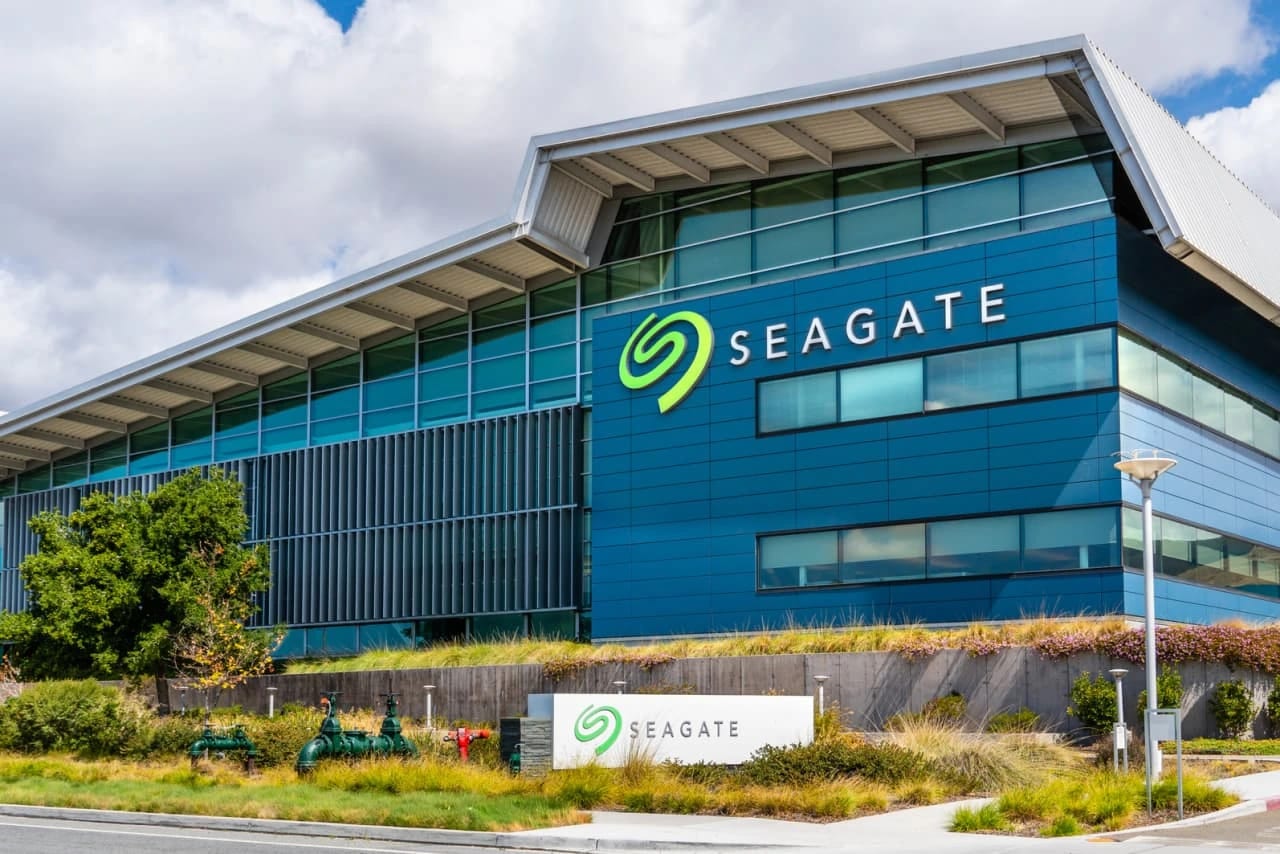
Western Digital and Seagate Stocks Plummet Amid Toshiba's Production Plans
Western Digital and Seagate face significant stock declines as investors react to Toshiba's plans to increase production of a key AI storage product. This development threatens the pricing power that both companies have relied on in the competitive storage market.
Fresh Reporting
Browse All Stories →Latest from The Ledger

Rivian Recalls R2 Models Due to Battery Pack Issues
Rivian has announced a recall of approximately 14 R2 vehicles due to poorly tightened battery packs. The company has addressed the assembly line issue to prevent future occurrences.

Leave a Comment
Your email address will not be published. Required fields are marked *