••
Life Thrived in Dinosaur-Killing Impact Crater for Millions of Years
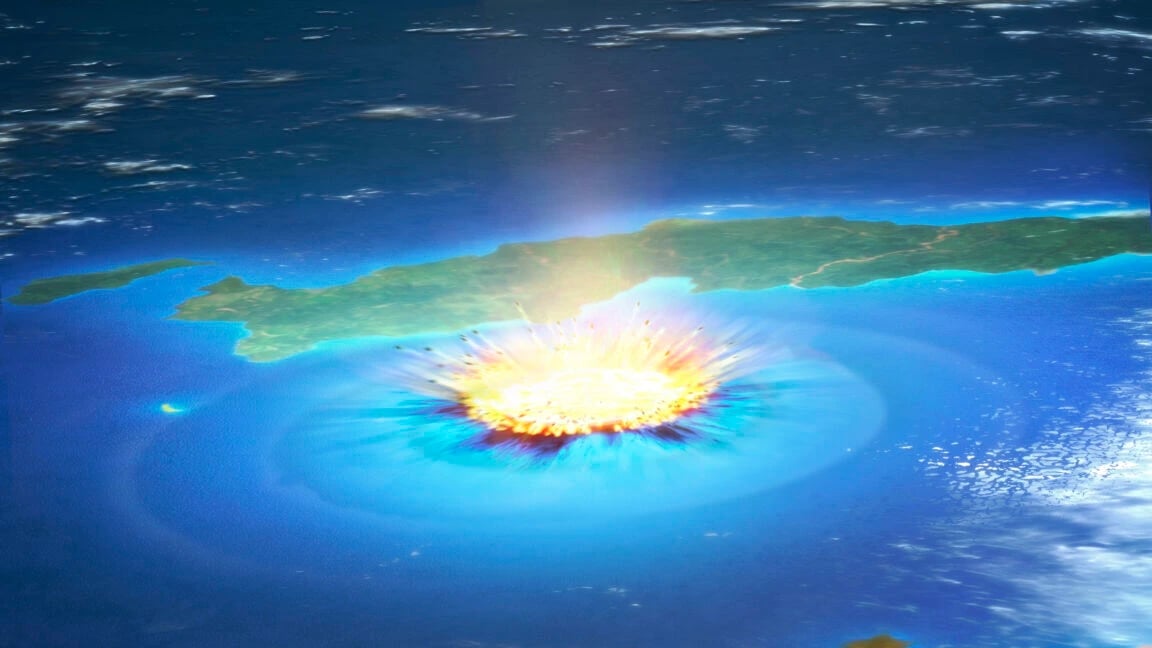
New research suggests that the impact crater responsible for the extinction of the dinosaurs may have been a thriving ecosystem for over 5 million years, fueled by nutrient-rich hot water. This discovery reshapes our understanding of life following one of Earth's most catastrophic events.
Share Article:
Editorial Illustration · MoneyAllotment
The Core Catalyst: Key Facts
Recent studies indicate that the impact crater linked to the extinction of dinosaurs was likely a hotspot for life, sustained by hot, nutrient-rich water for an astonishing duration of over five million years after the catastrophic event. This new perspective challenges previous assumptions about the immediate aftermath of the impact and its effects on the planet’s ecosystems.
- Impact Event: Approximately 66 million years ago, a massive asteroid struck Earth, leading to the extinction of nearly 75% of all species, including dinosaurs.
- Nutrient-Rich Water: The crater may have created conditions conducive to life, with heated water providing essential nutrients.
- Duration: Evidence suggests these conditions persisted for at least 5 million years post-impact, allowing diverse ecosystems to flourish.
Market & Industry Breakdown
The implications of this discovery reach beyond paleontology, impacting various sectors:
- Environmental Science: This research emphasizes the resilience of life and adaptation following catastrophic events, which could inform current studies on climate change and biodiversity.
- Biotechnology: Understanding ancient ecosystems may lead to innovations in bioremediation and environmental restoration efforts.
- Tourism and Education: Locations of significant paleontological interest may see increased visitor engagement as new narratives about post-impact life emerge.
Strategic Implications & Forward Outlook
This revelation about the post-impact environment prompts a reevaluation of how ecosystems recover from mass extinctions. For investors and stakeholders in relevant industries, the following points are noteworthy:
- Research Funding: Increased interest in ancient ecosystems may lead to more funding for paleobiological research.
- Public Interest: As narratives around the resilience of life gain traction, educational institutions and museums could see a rise in attendance.
- Sustainability Practices: Insights from ancient life forms may inspire modern sustainability practices, particularly in resilience strategies for current ecological challenges.
Key Takeaway:, the findings explaining the complex interplay between catastrophic events and the emergence of life, offering a fresh lens through which to view Earth’s history. According to reporting originally covered by Ars Technica, this new understanding both enhances our knowledge of the past and provides valuable lessons for the future of our planet.
Editorial Commentary
The discovery that life not simply survived but thrived in a post-apocalyptic world is a powerful reminder of nature's resilience. For technology professionals and investors, this underscores the importance of studying historical ecosystems to glean insights that could be applied to modern environmental challenges. The potential for innovation in sustainability and biotechnology stemming from such research cannot be overstated.
From the Desk
All Technology →More in Technology

Fifth Unvaccinated Measles Death Sparks Urgent Vaccination Efforts
A fifth unvaccinated individual has died from measles, prompting state health officials to administer over 8,500 vaccine doses. The CDC has faced criticism for not fully accounting for measles-related fatalities.

Fresh Reporting
Browse All Stories →Latest from The Ledger
Fifth Unvaccinated Measles Death Sparks Urgent Vaccination Efforts
A fifth unvaccinated individual has died from measles, prompting state health officials to administer over 8,500 vaccine doses. The CDC has faced criticism for not fully accounting for measles-related fatalities.





Leave a Comment
Your email address will not be published. Required fields are marked *