••
Fed's Rate Hike Focuses on Wall Street, Analyst Claims
A recent analyst's statement shifts the narrative of the Federal Reserve's rate hike strategy from inflation control to appeasing Wall Street.
Share Article:
Share:
7.
7.
Goldman Drops Its Fed Hold Call — Is the Hike About Inflation at All?
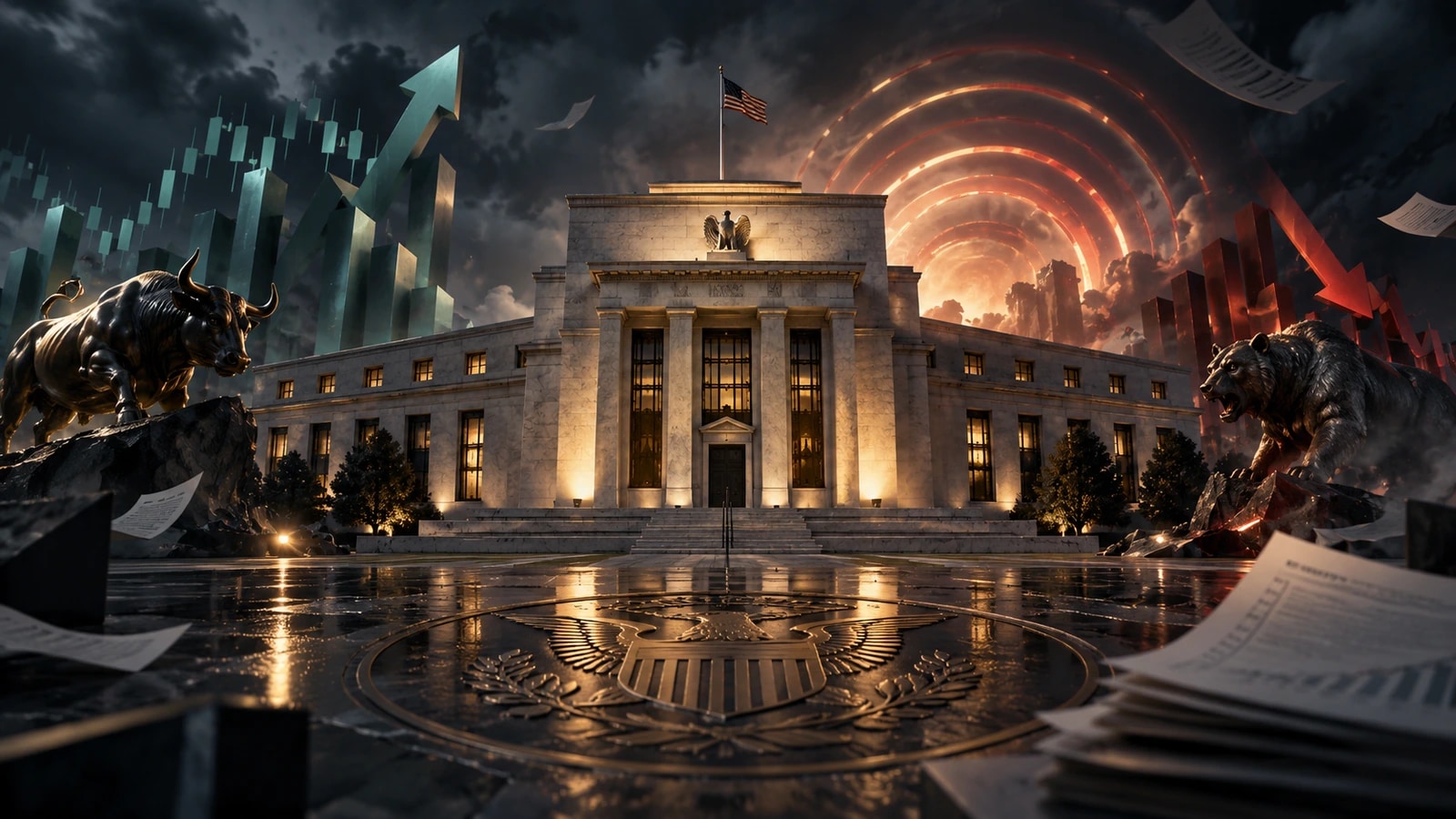
A late-Friday reversal from Goldman Sachs has reopened a sharper question: is next week's expected rate hike really about inflation, or about Wall Street?
Goldman's shift matters because it was one of the last major banks still betting the Fed would hold steady. In a note explaining the change, the bank said August's CPI report only nudged its core PCE forecast up slightly, to 0.26%, and hadn't changed its underlying inflation view. What changed, Goldman said, was the market. With futures pricing in a hike at nearly 90%, holding now risked an unwanted market reaction.
Two Very Different Septembers
The contrast with two years ago is stark. In September 2024, the Fed cut its benchmark rate by 50 basis points while annual core inflation was still running above 3%. Now markets expect the opposite move, even with core CPI having cooled to a five-year low of 2.4%. Wage growth, meanwhile, has slowed to 3.1% year-over-year.
That gap between the 2024 and 2026 decisions is exactly what's fueling Thorne's argument.
"No Material Change in the Inflation Outlook"
Thorne doesn't mince words. "The Wall Street wall of mirrors," he wrote, describing Goldman's about-face. "No material change in inflation outlook, but a hike to calm Wall Street." He argues that raising rates won't fix the actual sources of price pressure. "Rate hikes cannot produce oil, expand refining capacity, or repair disrupted supply routes," he wrote. "They reduce demand, investment, employment, and household purchasing power."
His broader point ties back to Fed Chair Kevin Warsh's own rhetoric. Thorne warned that if the Fed hikes purely to validate what futures markets expect, it undercuts Warsh's earlier criticism of exactly that kind of reflexive policymaking.
Not Everyone Is Convinced
Swonk reads the same data differently. She points out that August's core CPI gain was concentrated in services — "super core" services rose a sharp 0.5% for the month and 3% year-over-year. Based on that, she expects the Fed's preferred gauge, core PCE, to come in even hotter, near a 3.4% annualized pace, well above the CPI figure and further from the Fed's 2% target.
Her conclusion is blunter than Thorne's. "We now expect three rate hikes by early 2027," she wrote, adding that a unanimous vote next week looks more likely now — something she says would help rebuild the Fed's inflation-fighting credibility with bond markets.
What Happens Next
If the Fed hikes as expected, the federal funds target range moves from 3.50%–3.75% up to 3.75%–4.00%. Beyond the mechanics, the real story is the disagreement itself: two respected economists looking at the same CPI print and reaching opposite conclusions about what the Fed is actually trying to fix. That split is likely to shape how markets interpret the Fed's post-meeting statement, regardless of which side turns out to be right.
Sources
- CoinDesk, "Fed rate hike is about Wall Street, not inflation, says economist," Stephen Alpher, Sept. 13, 2026
- Commentary referenced from James Thorne (Wellington-Altus) and Diane Swonk (KPMG), as reported by CoinDesk
Fresh Reporting
Browse All Stories →Latest from The Ledger

Remote Work's Ripple Effect on Global Housing Markets
The shift to remote work is reshaping housing markets worldwide, driving demand in suburban areas and impacting pricing strategies.



Leave a Comment
Your email address will not be published. Required fields are marked *